Introduction
Recent statements from Chinese officials warning that unchecked artificial intelligence could undermine party rule have put the spotlight on how AI is woven into everyday technology. Smartphones are now the most personal AI hubs, processing everything from facial recognition to predictive text and camera enhancements. This roundup highlights the best phones that give you powerful AI features while keeping privacy, security, and user control at the forefront.
Quick Summary Table
| Phone | Price (INR) | Best For |
|---|---|---|
| Samsung Galaxy S23 Ultra | 1,09,999 | All‑round AI powerhouse with a pro‑grade camera |
| Google Pixel 7 Pro | 79,999 | Pure Android experience with Google’s Tensor AI |
| OnePlus 11 | 69,999 | Fast performance and AI‑enhanced gaming |
| Xiaomi 13 Pro | 84,999 | AI‑optimized battery life and premium display |
| Apple iPhone 14 Pro | 1,24,999 | Seamless AI integration within iOS ecosystem |
| Huawei P50 Pro | 79,990 | Advanced AI photography on HarmonyOS |
| Oppo Find X5 Pro | 74,999 | AI‑driven camera and ultra‑fast charging |
1. Samsung Galaxy S23 Ultra
- Processor: Qualcomm Snapdragon 8 Gen 2 (4 nm)
- RAM: 12 GB
- Camera: 200 MP primary, 12 MP ultra‑wide, 10 MP periscope telephoto (10× optical)
- Battery: 5,000 mAh with 45 W fast charging
- Display: 6.8‑inch QHD+ Dynamic AMOLED 2X, 120 Hz adaptive refresh
The S23 Ultra pushes AI to the next level with a dedicated Neural Processing Unit (NPU) that powers real‑time scene detection, super‑resolution upscaling, and on‑device translation. Its camera suite uses AI to combine multiple exposures into a single, incredibly detailed photo, while the AI‑based video stabilization keeps handheld footage buttery smooth.
Who should buy it: Users who demand the absolute best in AI‑enhanced photography, a large, fluid display, and a flagship‑class performance that can handle intensive multitasking and gaming.
2. Google Pixel 7 Pro
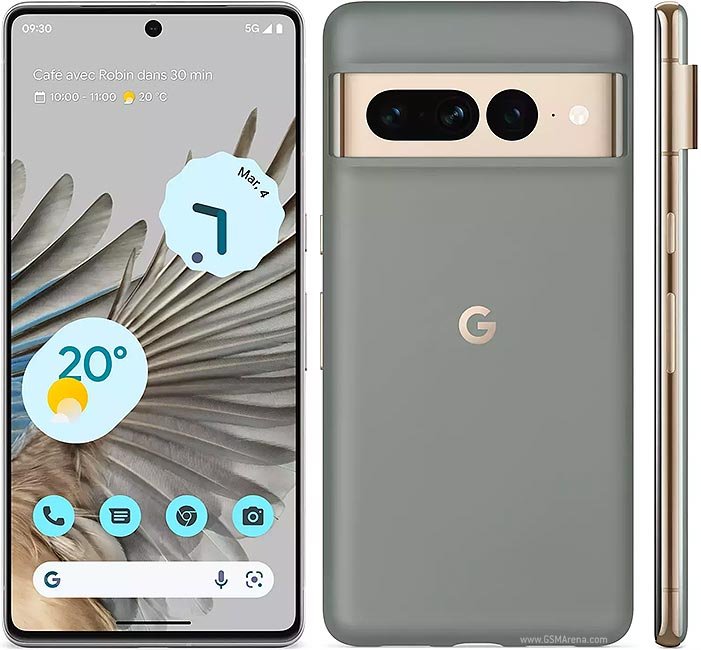
- Processor: Google Tensor G2
- RAM: 12 GB
- Camera: 50 MP wide, 48 MP telephoto (5× optical), 12 MP ultra‑wide
- Battery: 5,000 mAh with 30 W fast charging
- Display: 6.7‑inch LTPO OLED, QHD+, 120 Hz
Google’s Tensor G2 chip is built around AI, delivering features like Magic Eraser, Real Tone, and on‑device speech translation without sending data to the cloud. The Pixel 7 Pro also benefits from Google’s “Pixel First” software updates, ensuring AI models stay current and privacy‑focused.
Who should buy it: Android purists who want the most up‑to‑date AI features directly from Google, along with a clean, bloat‑free software experience.
3. OnePlus 11
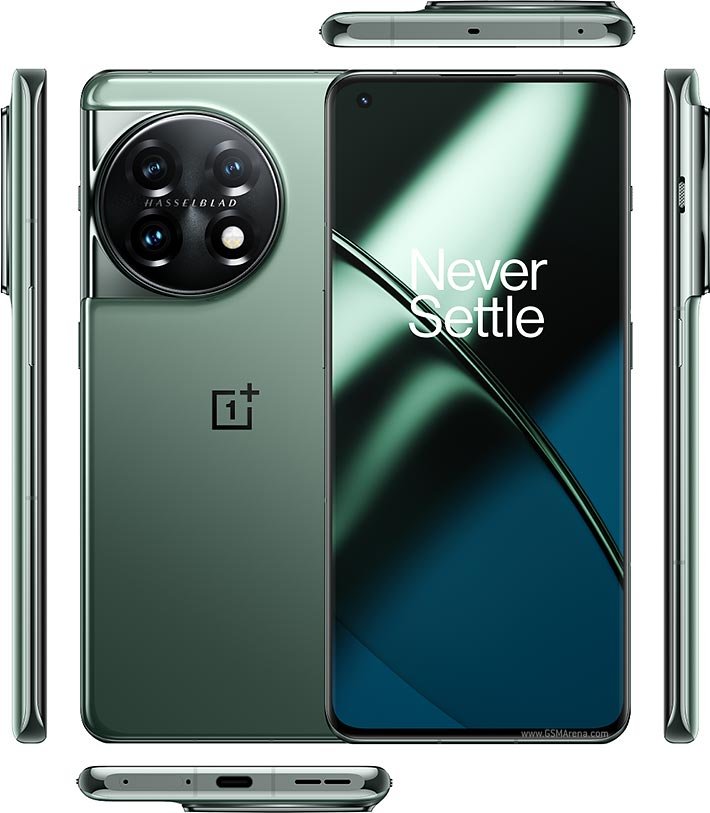
- Processor: Qualcomm Snapdragon 8 Gen 2
- RAM: 8 GB / 12 GB
- Camera: 50 MP wide, 48 MP ultra‑wide, 32 MP telephoto (2× optical)
- Battery: 5,000 mAh with 100 W SuperVOOC charging
- Display: 6.7‑inch Fluid AMOLED, 144 Hz refresh rate
OnePlus pairs its flagship chipset with a custom AI engine that optimizes game performance, predicts user habits to pre‑load apps, and fine‑tunes power consumption on the fly. The 100 W charger can take the phone from 0 % to 70 % in just 15 minutes, a boon for power‑hungry AI workloads.
Who should buy it: Gamers and power users who crave a fast, responsive device with AI‑driven performance tweaks and lightning‑quick charging.
4. Xiaomi 13 Pro
- Processor: Qualcomm Snapdragon 8 Gen 2
- RAM: 12 GB
- Camera: 50 MP Leica‑tuned main, 50 MP ultra‑wide, 50 MP telephoto (3.2× optical)
- Battery: 4,820 mAh with 120 W wired and 50 W wireless charging
- Display: 6.73‑inch LTPO AMOLED, QHD+, 120 Hz
Xiaomi’s AI Battery Manager learns your daily charging patterns and adjusts the charging curve to extend long‑term health, while the camera’s AI scene optimizer automatically selects the best settings for low‑light, portrait, or macro shots. The 120 W charger can fully charge the device in under 20 minutes.
Who should buy it: Users who want a premium display and ultra‑fast charging without sacrificing AI‑enhanced photography.
5. Apple iPhone 14 Pro
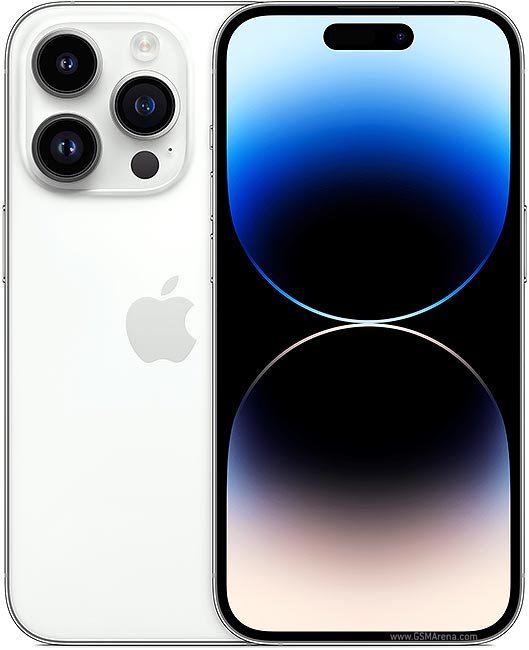
- Processor: Apple A16 Bionic (5‑nm)
- RAM: 6 GB
- Camera: 48 MP main, 12 MP ultra‑wide, 12 MP telephoto (3× optical)
- Battery: 3,200 mAh (optimized for efficiency)
- Display: 6.1‑inch Super Retina XDR, ProMotion 120 Hz
The A16 Bionic’s 16‑core Neural Engine powers on‑device AI for features like Photonic Engine, Live Text, and Deep Fusion, all while keeping user data encrypted and local. iOS 17 adds new privacy‑first AI tools, such as App‑Specific Permissions for microphone and camera usage.
Who should buy it: Apple ecosystem fans who value privacy‑centric AI, a smooth software experience, and industry‑leading video capabilities.
6. Huawei P50 Pro
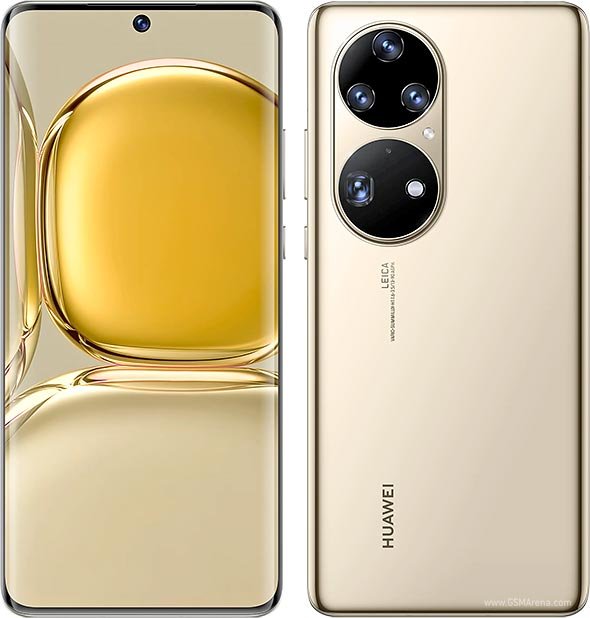
- Processor: Snapdragon 8+ Gen 1 (4 nm) with Huawei’s Kirin‑based NPU
- RAM: 12 GB
- Camera: 50 MP main, 40 MP monochrome, 13 MP ultra‑wide, 64 MP telephoto (3.5× optical)
- Battery: 4,660 mAh with 66 W fast charging
- Display: 6.6‑inch OLED, 120 Hz, 1.5K resolution
Huawei’s AI Photo Engine leverages a dedicated NPU to deliver AI‑assisted HDR, AI Night Mode, and real‑time subject tracking for video. HarmonyOS 3 adds AI‑based system optimizations that learn your usage patterns and allocate resources accordingly, all while offering a closed‑loop privacy model.
Who should buy it: Users who prioritize cutting‑edge mobile photography and are comfortable with Huawei’s ecosystem and its strong AI focus.
7. Oppo Find X5 Pro
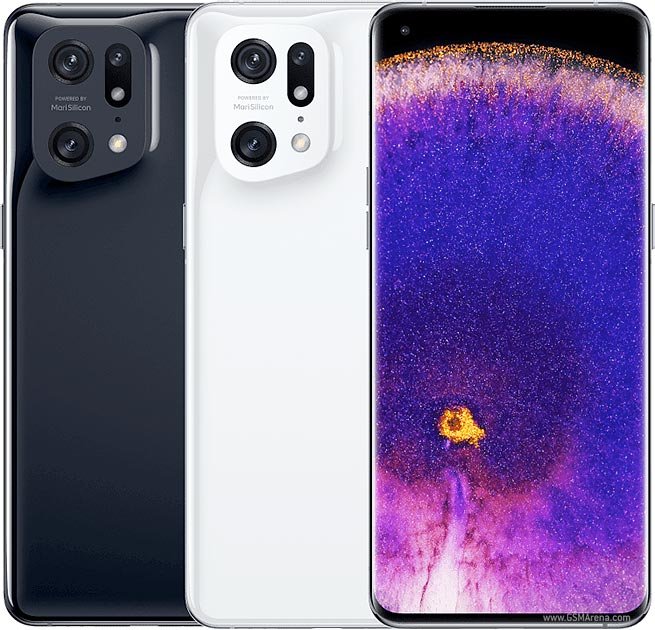
- Processor: Qualcomm Snapdragon 8 Gen 1
- RAM: 12 GB
- Camera: 50 MP main (MariSilicon X AI chip), 50 MP ultra‑wide, 13 MP telephoto (5× optical)
- Battery: 5,000 mAh with 80 W wired and 50 W wireless charging
- Display: 6.7‑inch LTPO AMOLED, QHD+, 120 Hz
The MariSilicon X AI chip is a dedicated image‑processing unit that handles noise reduction, color rendering, and AI portrait effects without taxing the main CPU. Oppo’s AI Battery Saver learns when you typically unplug the phone and reduces background activity to stretch endurance.
Who should buy it: Photographers who want AI‑driven image quality paired with a sleek design and rapid charging.
Buying Guide — What to Look For
AI Capabilities
Modern flagships embed AI in three main areas: camera processing, system‑level performance tuning, and personal assistants. Look for phones that list a dedicated NPU or Neural Engine, as this hardware accelerates AI tasks while keeping data on‑device, which is crucial for privacy.
Privacy & Security
AI can be a double‑edged sword; the same algorithms that improve photo quality can also collect biometric data. Choose devices that offer on‑device AI (no cloud upload), regular security patches, and transparent permission controls. Apple’s Secure Enclave and Google’s “Private Compute Core” are good benchmarks.
Processor & RAM
A powerful chipset (Snapdragon 8 Gen 2, Tensor G2, or Apple A16) ensures AI models run smoothly without lag. Pair this with at least 8 GB of RAM for multitasking, especially if you plan to use AI‑heavy apps like video editors or AR games.
Camera System
AI‑enhanced cameras use computational photography to combine multiple exposures, improve low‑light performance, and add features like real‑time translation. Look for phones that advertise AI scene detection, HDR+, or similar terms, and check reviews for how natural the AI‑processed images look.
Battery & Charging
AI tasks can drain power quickly. Phones with AI‑aware battery managers (Xiaomi’s AI Battery, Oppo’s AI Battery Saver) adapt charging speed and background activity based on your habits. Fast‑charging standards of 80 W or higher are now common and help mitigate the extra draw from AI workloads.
Display & Build Quality
AI‑driven adaptive refresh rates (120 Hz, 144 Hz) and HDR support improve both gaming and media consumption. A high‑resolution AMOLED panel also benefits AI‑enhanced photo and video playback, delivering accurate colors and deep blacks.
Final Verdict — Our Top Pick
After weighing AI performance, privacy safeguards, camera excellence, and overall value, the Samsung Galaxy S23 Ultra emerges as the clear winner. Its Snapdragon 8 Gen 2 processor, 12 GB of RAM, and a massive 200 MP sensor give it unrivaled AI‑driven imaging power, while the dedicated NPU ensures that all AI tasks stay on the device, protecting user data. The combination of a stunning 6.8‑inch QHD+ display, a robust 5,000 mAh battery with 45 W fast charging, and Samsung’s long‑track record of timely security updates makes it the most balanced flagship for anyone who wants cutting‑edge AI without compromising on privacy or everyday usability.
Whether you’re a photographer, a gamer, or a professional who relies on AI assistants, the S23 Ultra delivers a future‑ready experience that aligns with the growing conversation around AI control and user empowerment.
Where to Buy
All phones listed above are available on Amazon India with fast delivery and easy returns:
🛒 Browse all deals on Amazon India →
As an Amazon Associate we earn from qualifying purchases.