Introduction

The smartphone market in India is buzzing with premium devices that blend cutting‑edge performance with elegant design. In this roundup we focus on the Motorola Signature 27 and five other flagships that set the benchmark for power, photography, and user experience.

Quick Summary

Phone Price (INR) Best For
Motorola Signature 27 ₹69,999 Luxury design + clean Android
Samsung Galaxy S23 ₹79,999 All‑round flagship with superb display
OnePlus 11 ₹64,999 Fast performance and smooth OxygenOS
iPhone 15 ₹89,999 iOS ecosystem and camera excellence
Google Pixel 8 ₹71,999 Pure Android with AI photography
Xiaomi 13 Pro ₹74,999 High‑end specs at a competitive price

1. Motorola Signature 27

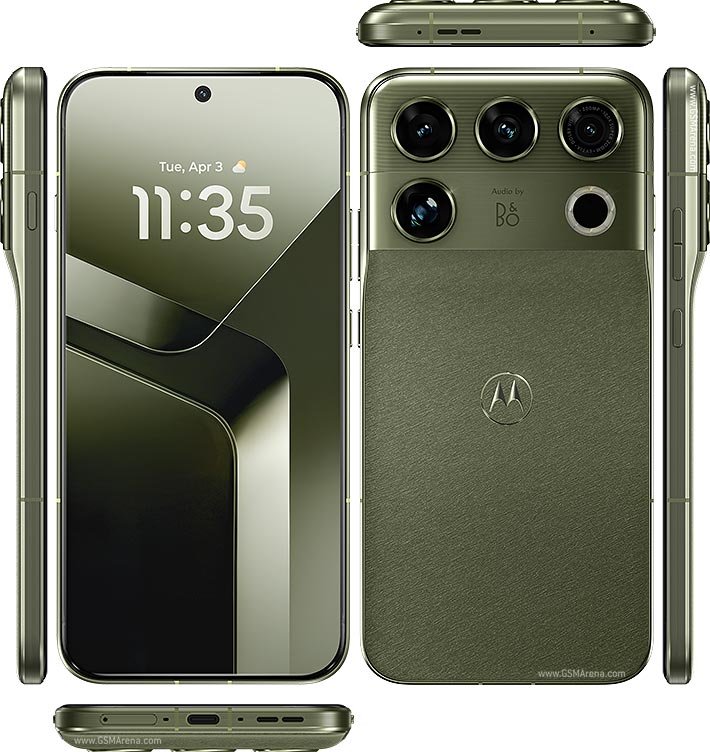
Motorola Signature 27
  • Processor: Qualcomm Snapdragon 8 Gen 2 (4 nm)
  • RAM: 12 GB LPDDR5
  • Camera: Triple – 50 MP (wide) + 12 MP (ultrawide) + 48 MP (telephoto, 3× optical)
  • Battery: 5,000 mAh with 65 W fast charging
  • Display: 6.7‑inch OLED, 1440 × 3216 px, 120 Hz, HDR10+

The Signature 27 stands out with its handcrafted titanium frame and a subtle brushed‑metal finish that feels premium in hand. Motorola’s near‑stock Android experience, coupled with timely updates, makes it a joy for users who prefer a clean UI without bloatware.

Who should buy it: Users who value a luxurious build, solid performance, and a pure Android experience without compromising on camera versatility.

2. Samsung Galaxy S23

  • Processor: Qualcomm Snapdragon 8 Gen 2 (4 nm) – Global
  • RAM: 8 GB / 12 GB LPDDR5
  • Camera: Triple – 50 MP (wide) + 12 MP (ultrawide) + 10 MP (telephoto, 3× optical)
  • Battery: 3,900 mAh with 45 W fast charging
  • Display: 6.1‑inch Dynamic AMOLED 2X, 1080 × 2340 px, 120 Hz, HDR10+

Samsung’s Galaxy S23 continues the tradition of delivering a vibrant, color‑accurate display and a camera system that excels in low‑light scenarios. The integration of One UI 6 on top of Android 13 offers a feature‑rich environment while still being relatively smooth.

Who should buy it: Anyone looking for a compact flagship with a top‑tier screen and a reliable camera suite, especially Samsung ecosystem fans.

3. OnePlus 11
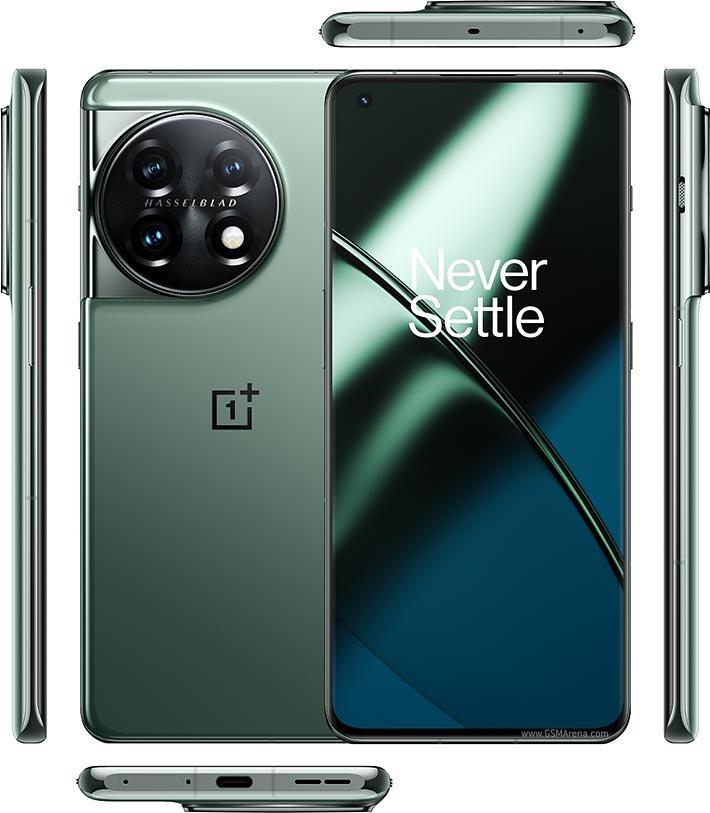
OnePlus 11
  • Processor: Qualcomm Snapdragon 8 Gen 2 (4 nm)
  • RAM: 12 GB / 16 GB LPDDR5X
  • Camera: Triple – 50 MP (wide) + 48 MP (ultrawide) + 32 MP (telephoto, 2× optical)
  • Battery: 5,000 mAh with 100 W wired fast charging
  • Display: 6.7‑inch Fluid AMOLED, 1440 × 3216 px, 120 Hz, HDR10+

OnePlus 11 is built for speed lovers, offering a fluid 120 Hz display and the fastest wired charging currently available in a mainstream phone. OxygenOS 13 delivers a near‑stock feel with useful customisations, and the device’s heat‑dissipation system keeps performance stable during intensive gaming.

Who should buy it: Power users and mobile gamers who crave top‑tier performance, rapid charging, and a clean, responsive UI.

4. iPhone 15

iPhone 15
  • Processor: Apple A16 Bionic (4 nm)
  • RAM: 6 GB LPDDR5
  • Camera: Dual – 48 MP (wide) + 12 MP (ultrawide)
  • Battery: Approx. 3,300 mAh, supports 20 W fast charging and MagSafe 15 W wireless
  • Display: 6.1‑inch Super Retina XDR OLED, 1170 × 2532 px, 120 Hz, HDR10+

The iPhone 15 brings Apple’s most efficient chip yet, delivering exceptional performance while staying power‑efficient. Photonic Engine and Smart HDR 4 improve colour accuracy and dynamic range, making it a strong contender for photography enthusiasts who are already invested in the Apple ecosystem.

Who should buy it: Existing iOS users or anyone who wants a seamless integration with Apple services, premium build quality, and long‑term software support.

5. Google Pixel 8

Google Pixel 8
  • Processor: Google Tensor G3 (4 nm)
  • RAM: 8 GB LPDDR5
  • Camera: Dual – 50 MP (wide) + 12 MP (ultrawide)
  • Battery: 4,800 mAh with 30 W fast charging
  • Display: 6.2‑inch Smooth AMOLED, 1080 × 2400 px, 120 Hz, HDR10+

Pixel 8 shines with Google’s AI‑driven photography tools, such as Magic Eraser and Real Tone, delivering studio‑like results without extra effort. The device runs pure Android 14, guaranteeing the fastest updates and a clutter‑free interface.

Who should buy it: Users who prioritise camera software intelligence, timely Android updates, and a straightforward user experience.

6. Xiaomi 13 Pro

  • Processor: Qualcomm Snapdragon 8 Gen 2 (4 nm)
  • RAM: 12 GB LPDDR5X
  • Camera: Triple – 50 MP (wide, Leica optics) + 50 MP (ultrawide) + 50 MP (telephoto, 3.2× optical)
  • Battery: 4,900 mAh with 120 W wired fast charging
  • Display: 6.73‑inch LTPO AMOLED, 1440 × 3200 px, 120 Hz, HDR10+

Xiaomi 13 Pro offers a Leica‑tuned camera system that rivals the best in class, especially for portrait and zoom photography. The massive 120 W charger can top up the battery in under 20 minutes, and MIUI 14 adds a host of custom features while retaining Android’s core simplicity.

Who should buy it: Photography enthusiasts who want flagship‑level optics at a price that undercuts many competitors, plus users who love fast charging.

Buying Guide — what to look for

Choosing a premium smartphone in 2024 involves balancing several key factors. Below are the most important aspects to evaluate before making a purchase.

1. Processor and Performance – The Snapdragon 8 Gen 2 and Apple A16 Bionic dominate the high‑end segment, delivering smooth multitasking, AI workloads, and gaming at high frame rates. For Android fans, look for devices that pair this chipset with LPDDR5X RAM for the best responsiveness.

2. Display Quality – A 120 Hz refresh rate has become the baseline for flagships, but resolution and panel type still matter. OLED or AMOLED panels with HDR10+ support provide deeper blacks and more vibrant colours, essential for media consumption and gaming.

3. Camera System – Megapixels are no longer the sole indicator of quality. Consider sensor size, lens aperture, optical image stabilization, and software processing. Flagships now offer per‑pixel HDR, advanced night modes, and AI‑enhanced features that can dramatically improve everyday photography.

4. Battery and Charging – A capacity of 4,500 mAh or higher combined with fast‑charging speeds (45 W+ for wired, 15 W+ for wireless) ensures the phone can keep up with a full day of heavy use. Some devices also provide reverse‑wireless charging, a

Where to Buy

All phones listed above are available on Amazon India with fast delivery and easy returns:

🛒 Browse all deals on Amazon India →

As an Amazon Associate we earn from qualifying purchases.

Motorola Signature 27 Smartphone

Introduction

The smartphone market in India is buzzing with premium devices that blend cutting‑edge performance with elegant design. In this roundup we focus on the Motorola Signature 27 and five other flagships that set the benchmark for power, photography, and user experience.

Quick Summary

Phone Price (INR) Best For
Motorola Signature 27 ₹69,999 Luxury design + clean Android
Samsung Galaxy S23 ₹79,999 All‑round flagship with superb display
OnePlus 11 ₹64,999 Fast performance and smooth OxygenOS
iPhone 15 ₹89,999 iOS ecosystem and camera excellence
Google Pixel 8 ₹71,999 Pure Android with AI photography
Xiaomi 13 Pro ₹74,999 High‑end specs at a competitive price

1. Motorola Signature 27

Motorola Signature 27
  • Processor: Qualcomm Snapdragon 8 Gen 2 (4 nm)
  • RAM: 12 GB LPDDR5
  • Camera: Triple – 50 MP (wide) + 12 MP (ultrawide) + 48 MP (telephoto, 3× optical)
  • Battery: 5,000 mAh with 65 W fast charging
  • Display: 6.7‑inch OLED, 1440 × 3216 px, 120 Hz, HDR10+

The Signature 27 stands out with its handcrafted titanium frame and a subtle brushed‑metal finish that feels premium in hand. Motorola’s near‑stock Android experience, coupled with timely updates, makes it a joy for users who prefer a clean UI without bloatware.

Who should buy it: Users who value a luxurious build, solid performance, and a pure Android experience without compromising on camera versatility.

2. Samsung Galaxy S23

  • Processor: Qualcomm Snapdragon 8 Gen 2 (4 nm) – Global
  • RAM: 8 GB / 12 GB LPDDR5
  • Camera: Triple – 50 MP (wide) + 12 MP (ultrawide) + 10 MP (telephoto, 3× optical)
  • Battery: 3,900 mAh with 45 W fast charging
  • Display: 6.1‑inch Dynamic AMOLED 2X, 1080 × 2340 px, 120 Hz, HDR10+

Samsung’s Galaxy S23 continues the tradition of delivering a vibrant, color‑accurate display and a camera system that excels in low‑light scenarios. The integration of One UI 6 on top of Android 13 offers a feature‑rich environment while still being relatively smooth.

Who should buy it: Anyone looking for a compact flagship with a top‑tier screen and a reliable camera suite, especially Samsung ecosystem fans.

3. OnePlus 11

OnePlus 11
  • Processor: Qualcomm Snapdragon 8 Gen 2 (4 nm)
  • RAM: 12 GB / 16 GB LPDDR5X
  • Camera: Triple – 50 MP (wide) + 48 MP (ultrawide) + 32 MP (telephoto, 2× optical)
  • Battery: 5,000 mAh with 100 W wired fast charging
  • Display: 6.7‑inch Fluid AMOLED, 1440 × 3216 px, 120 Hz, HDR10+

OnePlus 11 is built for speed lovers, offering a fluid 120 Hz display and the fastest wired charging currently available in a mainstream phone. OxygenOS 13 delivers a near‑stock feel with useful customisations, and the device’s heat‑dissipation system keeps performance stable during intensive gaming.

Who should buy it: Power users and mobile gamers who crave top‑tier performance, rapid charging, and a clean, responsive UI.

4. iPhone 15

iPhone 15
  • Processor: Apple A16 Bionic (4 nm)
  • RAM: 6 GB LPDDR5
  • Camera: Dual – 48 MP (wide) + 12 MP (ultrawide)
  • Battery: Approx. 3,300 mAh, supports 20 W fast charging and MagSafe 15 W wireless
  • Display: 6.1‑inch Super Retina XDR OLED, 1170 × 2532 px, 120 Hz, HDR10+

The iPhone 15 brings Apple’s most efficient chip yet, delivering exceptional performance while staying power‑efficient. Photonic Engine and Smart HDR 4 improve colour accuracy and dynamic range, making it a strong contender for photography enthusiasts who are already invested in the Apple ecosystem.

Who should buy it: Existing iOS users or anyone who wants a seamless integration with Apple services, premium build quality, and long‑term software support.

5. Google Pixel 8

Google Pixel 8
  • Processor: Google Tensor G3 (4 nm)
  • RAM: 8 GB LPDDR5
  • Camera: Dual – 50 MP (wide) + 12 MP (ultrawide)
  • Battery: 4,800 mAh with 30 W fast charging
  • Display: 6.2‑inch Smooth AMOLED, 1080 × 2400 px, 120 Hz, HDR10+

Pixel 8 shines with Google’s AI‑driven photography tools, such as Magic Eraser and Real Tone, delivering studio‑like results without extra effort. The device runs pure Android 14, guaranteeing the fastest updates and a clutter‑free interface.

Who should buy it: Users who prioritise camera software intelligence, timely Android updates, and a straightforward user experience.

6. Xiaomi 13 Pro

  • Processor: Qualcomm Snapdragon 8 Gen 2 (4 nm)
  • RAM: 12 GB LPDDR5X
  • Camera: Triple – 50 MP (wide, Leica optics) + 50 MP (ultrawide) + 50 MP (telephoto, 3.2× optical)
  • Battery: 4,900 mAh with 120 W wired fast charging
  • Display: 6.73‑inch LTPO AMOLED, 1440 × 3200 px, 120 Hz, HDR10+

Xiaomi 13 Pro offers a Leica‑tuned camera system that rivals the best in class, especially for portrait and zoom photography. The massive 120 W charger can top up the battery in under 20 minutes, and MIUI 14 adds a host of custom features while retaining Android’s core simplicity.

Who should buy it: Photography enthusiasts who want flagship‑level optics at a price that undercuts many competitors, plus users who love fast charging.

Buying Guide — what to look for

Choosing a premium smartphone in 2024 involves balancing several key factors. Below are the most important aspects to evaluate before making a purchase.

1. Processor and Performance – The Snapdragon 8 Gen 2 and Apple A16 Bionic dominate the high‑end segment, delivering smooth multitasking, AI workloads, and gaming at high frame rates. For Android fans, look for devices that pair this chipset with LPDDR5X RAM for the best responsiveness.

2. Display Quality – A 120 Hz refresh rate has become the baseline for flagships, but resolution and panel type still matter. OLED or AMOLED panels with HDR10+ support provide deeper blacks and more vibrant colours, essential for media consumption and gaming.

3. Camera System – Megapixels are no longer the sole indicator of quality. Consider sensor size, lens aperture, optical image stabilization, and software processing. Flagships now offer per‑pixel HDR, advanced night modes, and AI‑enhanced features that can dramatically improve everyday photography.

4. Battery and Charging – A capacity of 4,500 mAh or higher combined with fast‑charging speeds (45 W+ for wired, 15 W+ for wireless) ensures the phone can keep up with a full day of heavy use. Some devices also provide reverse‑wireless charging, a

Where to Buy

All phones listed above are available on Amazon India with fast delivery and easy returns:

🛒 Browse all deals on Amazon India →

As an Amazon Associate we earn from qualifying purchases.
Leave a Comment

Your email address will not be published. Required fields are marked *

Scroll to Top

Join our exclusive club!