Introduction

Preparing for JEE Mains demands a phone that can handle long study sessions, stream high‑quality lectures, and run demanding apps without lag. We’ve shortlisted the best smartphones that strike the perfect balance between performance, battery life, and affordability for Indian engineering aspirants.

Phone Price (INR) Best For
OnePlus 12 ₹49,999 All‑round performance & fast charging
Samsung Galaxy S24 ₹69,999 Premium display & ecosystem
iPhone 15 ₹79,900 iOS stability & long‑term software updates
Google Pixel 8 ₹62,990 Clean Android & AI‑powered study tools
Realme GT 5 ₹34,999 Budget‑friendly power and speed
Xiaomi 13 Pro ₹69,999 High‑resolution display & camera for note‑taking

1. OnePlus 12

OnePlus 12
  • Processor: Qualcomm Snapdragon 8 Gen 3 (4 nm)
  • RAM: 12 GB LPDDR5X
  • Camera: 50 MP (wide) + 48 MP (ultrawide) + 8 MP (telephoto)
  • Battery: 5,000 mAh with 100 W SuperVOOC fast charging
  • Display: 6.7‑inch LTPO Fluid AMOLED, 1440 p, 120 Hz

The OnePlus 12 delivers flagship‑level speed that makes multitasking between NCERT PDFs, video lectures, and mock tests seamless. Its 100 W charger restores full power in under 30 minutes, ensuring you never miss a study window.

Who should buy it: Students who want a top‑tier Android experience without the premium price tag of Samsung or Apple, and who value ultra‑fast charging for marathon study nights.

2. Samsung Galaxy S24

  • Processor: Exynos 2400 (4 nm) – India variant
  • RAM: 8 GB / 12 GB LPDDR5
  • Camera: 50 MP (wide) + 12 MP (ultrawide) + 10 MP (telephoto)
  • Battery: 4,800 mAh with 45 W fast charging
  • Display: 6.1‑inch Dynamic AMOLED 2X, 1080 p, 120 Hz, HDR10+

Samsung’s ecosystem shines for students who rely on Samsung DeX to turn their phone into a desktop‑like workspace for solving complex JEE problems. The bright, colour‑accurate display reduces eye strain during long reading sessions.

Who should buy it: Learners who prefer a polished UI, need a reliable DeX setup for note‑taking, and appreciate a premium build.

3. iPhone 15

iPhone 15
  • Processor: Apple A16 Bionic (4 nm)
  • RAM: 6 GB
  • Camera: 48 MP (wide) + 12 MP (ultrawide)
  • Battery: Approx. 3,300 mAh, 20 W fast charging, MagSafe 15 W
  • Display: 6.1‑inch Super Retina XDR OLED, 2556 × 1179 px, 60 Hz

The iPhone 15 offers unmatched software stability, which translates into fewer crashes while using heavy study apps like Wolfram Alpha or Khan Academy. iOS’s tight integration with iCloud ensures your notes and PDFs sync instantly across all Apple devices.

Who should buy it: Students already invested in the Apple ecosystem or those who prioritize long‑term software support and security.

4. Google Pixel 8

Google Pixel 8
  • Processor: Google Tensor G3 (4 nm)
  • RAM: 8 GB LPDDR5
  • Camera: 50 MP (wide) + 12 MP (ultrawide)
  • Battery: 4,800 mAh with 30 W fast charging
  • Display: 6.2‑inch OLED, 1080 p, 120 Hz, 5G

Pixel’s AI‑driven features, such as Live Translate and the new Study Mode, automatically highlight key concepts in PDFs and generate quick summaries—perfect for JEE aspirants juggling massive syllabi.

Who should buy it: Learners who love Google services, want the latest AI tools, and appreciate a clean Android experience without bloatware.

5. Realme GT 5
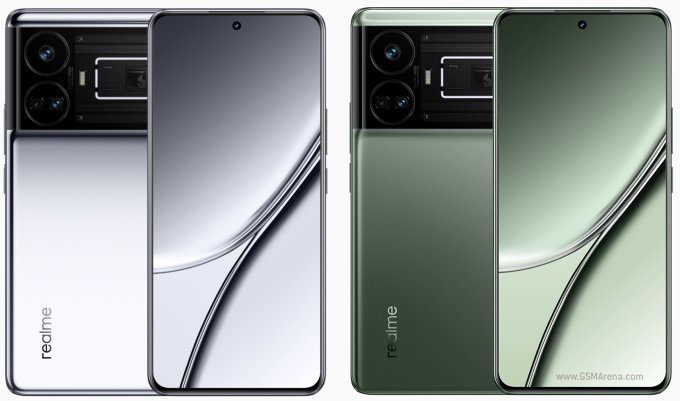
Realme GT 5
  • Processor: Snapdragon 8 Gen 2 (4 nm)
  • RAM: 12 GB LPDDR5X
  • Camera: 50 MP (wide) + 8 MP (ultrawide) + 2 MP (macro)
  • Battery: 5,000 mAh with 150 W Ultra‑Fast charging
  • Display: 6.74‑inch AMOLED, 1440 p, 120 Hz

The Realme GT 5 packs flagship performance at a mid‑range price, and its 150 W charger can top up the battery from 0 % to 100 % in just 15 minutes—ideal for students who study in short, intense bursts.

Who should buy it: Budget‑conscious students who still demand high‑end speed, excellent battery life, and a large display for multitasking.

6. Xiaomi 13 Pro

  • Processor: Snapdragon 8 Gen 3 (4 nm)
  • RAM: 12 GB LPDDR5X
  • Camera: 50 MP (wide) + 50 MP (ultrawide) + 50 MP (telephoto)
  • Battery: 5,000 mAh with 120 W fast charging
  • Display: 6.73‑inch LTPO AMOLED, 1440 p, 120 Hz, 480 Hz touch sampling

Xiaomi’s 13 Pro offers a cinema‑grade display that reproduces textbook diagrams and graphs with razor‑sharp clarity. Coupled with a powerful chipset, it handles heavy simulation apps like GeoGebra and MATLAB Mobile without hiccups.

Who should buy it: Students who need a large, high‑resolution screen for visual learning and want a premium Android experience at a slightly lower price than Samsung.

Buying Guide – What to Look for in a JEE Mains Study Phone

Performance (CPU & RAM) – JEE preparation involves running multiple apps simultaneously—PDF readers, video streaming, and calculator tools. Aim for a Snapdragon 8 Gen 2/3 or equivalent (Exynos 2400, Apple A16, Google Tensor G3) paired with at least 8 GB of RAM for smooth multitasking.

Battery Life & Fast Charging – Long study sessions demand a battery that lasts 10+ hours of mixed usage. Phones with 4,800 mAh–5,000 mAh cells and fast‑charging capabilities of 45 W or higher will keep you powered without frequent plug‑ins.

Display Quality – A bright, high‑resolution (1080 p or 1440 p) AMOLED screen reduces eye strain and makes reading dense formulas easier. Look for 90 Hz+ refresh rates for smoother scrolling through long documents.

Software Ecosystem – Consistent updates matter for security and app compatibility. iOS devices receive 5‑year support, while flagship Android phones from Samsung, OnePlus, and Google promise at least 4 years of major OS upgrades.

Storage – JEE aspirants store large PDF collections, video lectures, and offline notes. Minimum 128 GB of internal storage is recommended; 256 GB is ideal if you plan to keep everything on‑device.

Additional Features – Look for AI‑assisted study tools (Google’s Live Translate, OnePlus’s Zen Mode), DeX or Samsung’s desktop mode for a laptop‑like experience, and robust Bluetooth for wireless headphones.

Final Verdict – Our Top Pick

After weighing performance, battery endurance, display comfort, and price, the OnePlus 12 emerges as the best overall phone for JEE Mains preparation. It delivers flagship‑class speed, a 120 Hz AMOLED panel that’s gentle on the eyes, and a 100 W charger

Where to Buy

All phones listed above are available on Amazon India with fast delivery and easy returns:

🛒 Browse all deals on Amazon India →

As an Amazon Associate we earn from qualifying purchases.

Jee Mains

Introduction

Preparing for JEE Mains demands a phone that can handle long study sessions, stream high‑quality lectures, and run demanding apps without lag. We’ve shortlisted the best smartphones that strike the perfect balance between performance, battery life, and affordability for Indian engineering aspirants.

Phone Price (INR) Best For
OnePlus 12 ₹49,999 All‑round performance & fast charging
Samsung Galaxy S24 ₹69,999 Premium display & ecosystem
iPhone 15 ₹79,900 iOS stability & long‑term software updates
Google Pixel 8 ₹62,990 Clean Android & AI‑powered study tools
Realme GT 5 ₹34,999 Budget‑friendly power and speed
Xiaomi 13 Pro ₹69,999 High‑resolution display & camera for note‑taking

1. OnePlus 12

OnePlus 12
  • Processor: Qualcomm Snapdragon 8 Gen 3 (4 nm)
  • RAM: 12 GB LPDDR5X
  • Camera: 50 MP (wide) + 48 MP (ultrawide) + 8 MP (telephoto)
  • Battery: 5,000 mAh with 100 W SuperVOOC fast charging
  • Display: 6.7‑inch LTPO Fluid AMOLED, 1440 p, 120 Hz

The OnePlus 12 delivers flagship‑level speed that makes multitasking between NCERT PDFs, video lectures, and mock tests seamless. Its 100 W charger restores full power in under 30 minutes, ensuring you never miss a study window.

Who should buy it: Students who want a top‑tier Android experience without the premium price tag of Samsung or Apple, and who value ultra‑fast charging for marathon study nights.

2. Samsung Galaxy S24

  • Processor: Exynos 2400 (4 nm) – India variant
  • RAM: 8 GB / 12 GB LPDDR5
  • Camera: 50 MP (wide) + 12 MP (ultrawide) + 10 MP (telephoto)
  • Battery: 4,800 mAh with 45 W fast charging
  • Display: 6.1‑inch Dynamic AMOLED 2X, 1080 p, 120 Hz, HDR10+

Samsung’s ecosystem shines for students who rely on Samsung DeX to turn their phone into a desktop‑like workspace for solving complex JEE problems. The bright, colour‑accurate display reduces eye strain during long reading sessions.

Who should buy it: Learners who prefer a polished UI, need a reliable DeX setup for note‑taking, and appreciate a premium build.

3. iPhone 15

iPhone 15
  • Processor: Apple A16 Bionic (4 nm)
  • RAM: 6 GB
  • Camera: 48 MP (wide) + 12 MP (ultrawide)
  • Battery: Approx. 3,300 mAh, 20 W fast charging, MagSafe 15 W
  • Display: 6.1‑inch Super Retina XDR OLED, 2556 × 1179 px, 60 Hz

The iPhone 15 offers unmatched software stability, which translates into fewer crashes while using heavy study apps like Wolfram Alpha or Khan Academy. iOS’s tight integration with iCloud ensures your notes and PDFs sync instantly across all Apple devices.

Who should buy it: Students already invested in the Apple ecosystem or those who prioritize long‑term software support and security.

4. Google Pixel 8

Google Pixel 8
  • Processor: Google Tensor G3 (4 nm)
  • RAM: 8 GB LPDDR5
  • Camera: 50 MP (wide) + 12 MP (ultrawide)
  • Battery: 4,800 mAh with 30 W fast charging
  • Display: 6.2‑inch OLED, 1080 p, 120 Hz, 5G

Pixel’s AI‑driven features, such as Live Translate and the new Study Mode, automatically highlight key concepts in PDFs and generate quick summaries—perfect for JEE aspirants juggling massive syllabi.

Who should buy it: Learners who love Google services, want the latest AI tools, and appreciate a clean Android experience without bloatware.

5. Realme GT 5

Realme GT 5
  • Processor: Snapdragon 8 Gen 2 (4 nm)
  • RAM: 12 GB LPDDR5X
  • Camera: 50 MP (wide) + 8 MP (ultrawide) + 2 MP (macro)
  • Battery: 5,000 mAh with 150 W Ultra‑Fast charging
  • Display: 6.74‑inch AMOLED, 1440 p, 120 Hz

The Realme GT 5 packs flagship performance at a mid‑range price, and its 150 W charger can top up the battery from 0 % to 100 % in just 15 minutes—ideal for students who study in short, intense bursts.

Who should buy it: Budget‑conscious students who still demand high‑end speed, excellent battery life, and a large display for multitasking.

6. Xiaomi 13 Pro

  • Processor: Snapdragon 8 Gen 3 (4 nm)
  • RAM: 12 GB LPDDR5X
  • Camera: 50 MP (wide) + 50 MP (ultrawide) + 50 MP (telephoto)
  • Battery: 5,000 mAh with 120 W fast charging
  • Display: 6.73‑inch LTPO AMOLED, 1440 p, 120 Hz, 480 Hz touch sampling

Xiaomi’s 13 Pro offers a cinema‑grade display that reproduces textbook diagrams and graphs with razor‑sharp clarity. Coupled with a powerful chipset, it handles heavy simulation apps like GeoGebra and MATLAB Mobile without hiccups.

Who should buy it: Students who need a large, high‑resolution screen for visual learning and want a premium Android experience at a slightly lower price than Samsung.

Buying Guide – What to Look for in a JEE Mains Study Phone

Performance (CPU & RAM) – JEE preparation involves running multiple apps simultaneously—PDF readers, video streaming, and calculator tools. Aim for a Snapdragon 8 Gen 2/3 or equivalent (Exynos 2400, Apple A16, Google Tensor G3) paired with at least 8 GB of RAM for smooth multitasking.

Battery Life & Fast Charging – Long study sessions demand a battery that lasts 10+ hours of mixed usage. Phones with 4,800 mAh–5,000 mAh cells and fast‑charging capabilities of 45 W or higher will keep you powered without frequent plug‑ins.

Display Quality – A bright, high‑resolution (1080 p or 1440 p) AMOLED screen reduces eye strain and makes reading dense formulas easier. Look for 90 Hz+ refresh rates for smoother scrolling through long documents.

Software Ecosystem – Consistent updates matter for security and app compatibility. iOS devices receive 5‑year support, while flagship Android phones from Samsung, OnePlus, and Google promise at least 4 years of major OS upgrades.

Storage – JEE aspirants store large PDF collections, video lectures, and offline notes. Minimum 128 GB of internal storage is recommended; 256 GB is ideal if you plan to keep everything on‑device.

Additional Features – Look for AI‑assisted study tools (Google’s Live Translate, OnePlus’s Zen Mode), DeX or Samsung’s desktop mode for a laptop‑like experience, and robust Bluetooth for wireless headphones.

Final Verdict – Our Top Pick

After weighing performance, battery endurance, display comfort, and price, the OnePlus 12 emerges as the best overall phone for JEE Mains preparation. It delivers flagship‑class speed, a 120 Hz AMOLED panel that’s gentle on the eyes, and a 100 W charger

Where to Buy

All phones listed above are available on Amazon India with fast delivery and easy returns:

🛒 Browse all deals on Amazon India →

As an Amazon Associate we earn from qualifying purchases.

Leave a Comment

Your email address will not be published. Required fields are marked *

Scroll to Top

Join our exclusive club!