Introduction
Scientists have announced a breakthrough in earthquake prediction, offering the possibility of forecasting the next major tremor with unprecedented accuracy. To stay informed, share alerts, and analyze data on the go, you need a smartphone that combines performance, reliability, and cutting‑edge connectivity.
Quick Summary Table
| Phone | Price (INR) | Best For |
|---|---|---|
| Apple iPhone 14 Pro | 1,19,900 | All‑round premium experience |
| Google Pixel 7 Pro | 79,999 | Best Android camera and AI features |
| OnePlus 11 | 69,999 | Fast charging and smooth performance |
| Samsung Galaxy S23 Ultra | 1,09,999 | Large display with S‑Pen support |
| Xiaomi 13 Pro | 79,999 | Value‑packed flagship |
| Realme GT 3 | 44,999 | Budget‑friendly power |
1. Apple iPhone 14 Pro
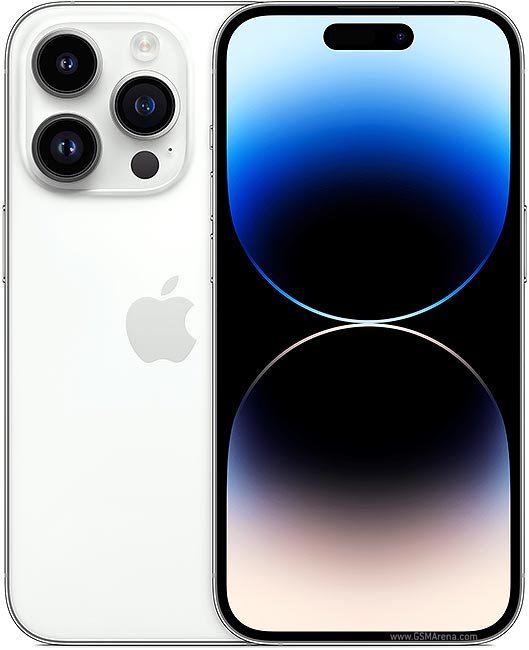
- Processor: Apple A16 Bionic
- RAM: 6 GB
- Camera: Triple 48 MP (wide, ultra‑wide, telephoto) + LiDAR scanner
- Battery: 3,200 mAh with 20 W fast charge
- Display: 6.1‑inch Super Retina XDR, 120 Hz ProMotion
The iPhone 14 Pro delivers industry‑leading processing speed, which is essential for running real‑time seismic‑alert apps and heavy data‑visualisation tools. Its LiDAR scanner and advanced camera system also help scientists and enthusiasts capture high‑resolution images of fault lines and field observations.
Who should buy it: Users who prefer iOS, need top‑tier performance, and want the most reliable software updates for critical alert apps.
2. Google Pixel 7 Pro
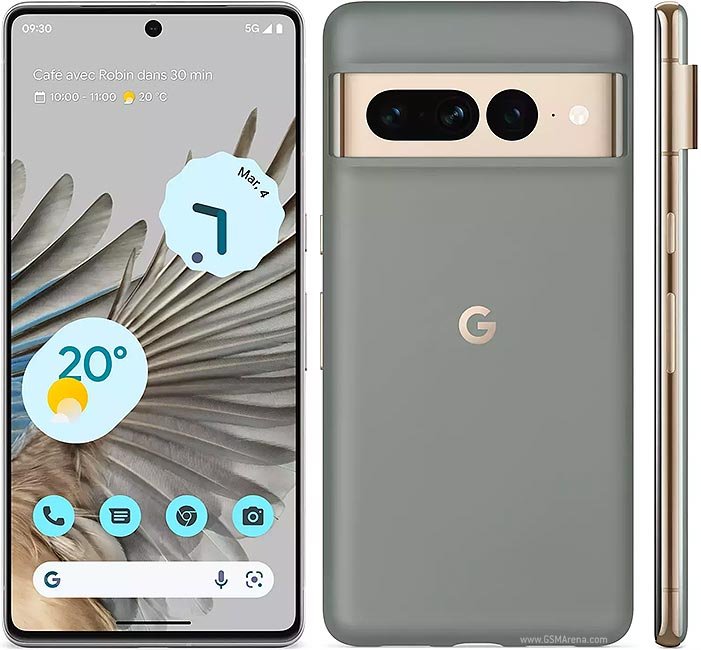
- Processor: Google Tensor G2
- RAM: 12 GB
- Camera: Triple 50 MP (wide, ultra‑wide, telephoto) with Real Tone AI
- Battery: 5,000 mAh with 30 W fast charge
- Display: 6.7‑inch LTPO OLED, 120 Hz
Pixel 7 Pro shines with Google’s AI‑driven features, offering instant translation of scientific reports and on‑device processing of earthquake‑prediction models without sending data to the cloud. The clean Android experience ensures that emergency alerts are delivered promptly.
Who should buy it: Android purists who value AI integration, timely security patches, and a camera that can document field research.
3. OnePlus 11
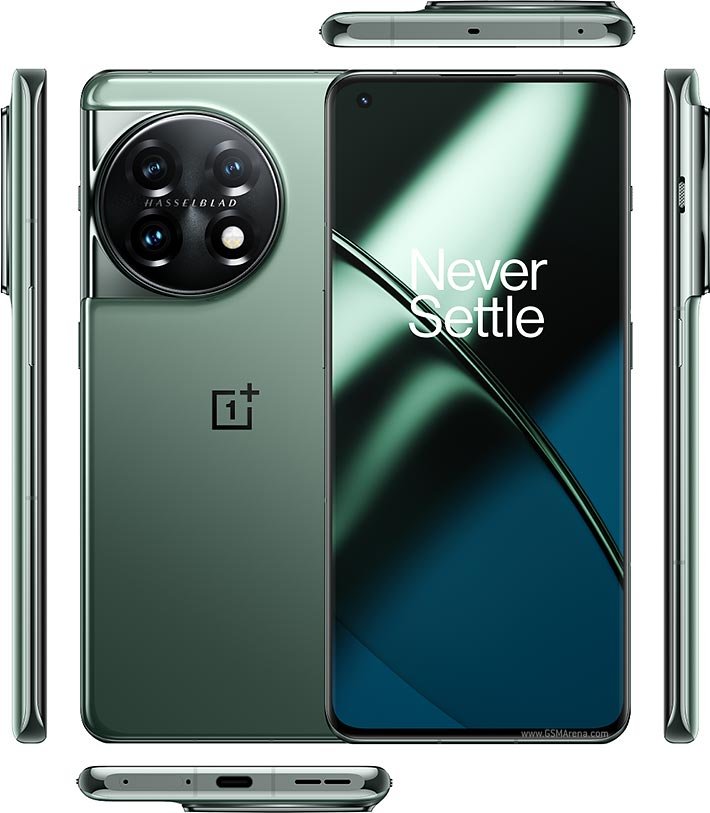
- Processor: Qualcomm Snapdragon 8 Gen 2
- RAM: 12 GB
- Camera: Triple 50 MP (wide, ultra‑wide, telephoto) tuned with Hasselblad
- Battery: 5,000 mAh with 100 W SuperVOOC fast charge
- Display: 6.7‑inch Fluid AMOLED, 120 Hz
OnePlus 11 offers flagship performance at a relatively lower price point, making it ideal for running multiple monitoring apps simultaneously. Its 100 W charging means the device is ready for the next alert in minutes, a crucial advantage during field deployments.
Who should buy it: Power users who want flagship speed, rapid charging, and a clean OxygenOS experience.
4. Samsung Galaxy S23 Ultra
- Processor: Qualcomm Snapdragon 8 Gen 2 (global)
- RAM: 12 GB
- Camera: Quad 200 MP (wide, ultra‑wide, 10× telephoto, 100× space‑zoom)
- Battery: 5,000 mAh with 45 W fast charge
- Display: 6.8‑inch Dynamic AMOLED 2X, 120 Hz, QHD+
The S23 Ultra’s massive display and S‑Pen support make it perfect for reviewing detailed seismic maps, annotating data, and collaborating with research teams in real time. Its robust battery life ensures continuous operation during prolonged monitoring sessions.
Who should buy it: Professionals who need a large, high‑resolution screen and stylus functionality for on‑the‑go analysis.
5. Xiaomi 13 Pro
- Processor: Qualcomm Snapdragon 8 Gen 2
- RAM: 12 GB
- Camera: Triple 50 MP (wide, ultra‑wide, telephoto) with Leica optics
- Battery: 4,820 mAh with 120 W fast charge
- Display: 6.73‑inch LTPO AMOLED, 120 Hz, QHD+
Xiaomi 13 Pro packs flagship specs at a price that undercuts many competitors, delivering excellent performance for data‑intensive apps while keeping the budget in check. Its fast‑charging capability and solid build quality make it a reliable companion for field researchers.
Who should buy it: Users who want top‑tier hardware without paying premium prices, especially those in emerging markets.
6. Realme GT 3
- Processor: MediaTek Dimensity 9200+
- RAM: 12 GB
- Camera: Triple 50 MP (wide, ultra‑wide, macro)
- Battery: 5,000 mAh with 150 W SuperDart fast charge
- Display: 6.74‑inch AMOLED, 120 Hz, 1440p
The GT 3 stands out for its ultra‑fast 150 W charging, which can fully charge the phone in under 15 minutes—an advantage when power sources are scarce during emergency response. Its Dimensity chipset handles multitasking and AI‑driven alert systems smoothly.
Who should buy it: Budget‑conscious power users who need rapid charging and solid performance for real‑time monitoring.
Buying Guide — What to Look For
When selecting a smartphone to stay ahead of earthquake alerts and scientific updates, focus on the following criteria:
- Processor & RAM: A modern flagship chipset (Snapdragon 8 Gen 2, Apple A16, Tensor G2) paired with at least 8 GB of RAM ensures smooth operation of mapping, AI, and communication apps.
- Battery Life & Charging Speed: Look for batteries of 4,500 mAh or higher and fast‑charging support of 30 W or more. In field conditions, rapid top‑ups can be lifesaving.
- Display Quality: A 120 Hz OLED or AMOLED panel with at least Full HD+ resolution provides clear visualisation of seismic charts and satellite imagery.
- Connectivity: 5G, Wi‑Fi 6E, and robust GPS/GLONASS support are essential for receiving low‑latency alerts and accurate location tracking.
- Software & Updates: Regular security patches and timely OS upgrades guarantee that emergency alert APIs remain functional.
- Durability: IP68 water‑resistance and Gorilla Glass Victus (or equivalent) protect the device from dust and moisture in rugged environments.
Final Verdict — Our Top Pick
After weighing performance, ecosystem stability, battery technology, and display excellence, the Apple iPhone 14 Pro emerges as the best overall phone for staying connected to the latest earthquake‑prediction breakthroughs. Its A16 Bionic chip, seamless iOS integration, and reliable over‑the‑air updates ensure that critical alerts arrive instantly and that scientific apps run without hiccups. While it carries a premium price, the combination of speed, camera versatility, and long‑term software support makes it the most dependable choice for both casual observers and professional seismologists.
Where to Buy
All phones listed above are available on Amazon India with fast delivery and easy returns:
🛒 Browse all deals on Amazon India →
As an Amazon Associate we earn from qualifying purchases.