Introduction

Whether you’re navigating the bustling streets of London or catching up on the latest air‑pollution alerts, a reliable smartphone is your best companion. Below is a curated list of the top phones that combine performance, battery life, and connectivity to keep you informed and productive, even on days when the city’s air quality drops.

Quick Summary

Phone Price (INR) Best For
Apple iPhone 15 1,39,900 Seamless ecosystem & premium camera
Samsung Galaxy S24 1,29,999 All‑round flagship with vibrant display
Google Pixel 8 Pro 1,09,999 Best Android experience & AI features
OnePlus 12 69,999 Fast performance at a competitive price
Xiaomi 13 Pro 89,999 Photography enthusiast’s choice
Realme GT 5 39,999 Budget powerhouse with solid battery life

1. Apple iPhone 15

  • Processor: A16 Bionic (5‑nm)
  • RAM: 6 GB
  • Camera: Dual 48 MP (wide) + 12 MP (ultrawide)
  • Battery: 3,300 mAh (up to 20 hrs video playback)
  • Display: 6.1‑inch Super Retina XDR, 2556 × 1179 px, 460 nits

The iPhone 15 delivers a smooth, lag‑free experience thanks to Apple’s efficient A16 chip, making real‑time updates from air‑quality apps instantly accessible. Its superb camera system also captures crisp images of the city’s skyline, useful for sharing alerts or documenting hazy days.

Who should buy it: Users already invested in the Apple ecosystem who value timely notifications, top‑tier photography, and long‑term software support.

2. Samsung Galaxy S24

  • Processor: Snapdragon 8 Gen 3 (4‑nm)
  • RAM: 8 GB
  • Camera: Triple 50 MP (wide) + 12 MP (ultrawide) + 12 MP (telephoto)
  • Battery: 4,300 mAh (fast‑charging 45 W)
  • Display: 6.2‑inch Dynamic AMOLED 2X, 2340 × 1080 px, 120 Hz

Samsung’s flagship offers a bright, colour‑accurate display that remains readable even under the grey London sky, while the powerful Snapdragon processor ensures smooth operation of environmental‑monitoring apps. The large battery keeps you online throughout the day, even when you’re constantly checking AQI alerts.

Who should buy it: Android enthusiasts who want a premium screen, robust multitasking, and a versatile camera kit.

3. Google Pixel 8 Pro

  • Processor: Google Tensor G3 (4‑nm)
  • RAM: 12 GB
  • Camera: Triple 50 MP (wide) + 48 MP (ultrawide) + 48 MP (telephoto)
  • Battery: 5,000 mAh (fast‑charging 30 W)
  • Display: 6.7‑inch LTPO OLED, 3120 × 1440 px, 120 Hz

Pixel 8 Pro shines with Google’s AI‑driven features, including real‑time translation of air‑quality alerts and predictive battery management that learns your usage patterns. Its clean Android experience receives updates faster than most competitors, keeping security patches for health‑related apps up‑to‑date.

Who should buy it: Users who prioritize AI assistance, timely software updates, and the best integration with Google services such as Maps and Weather.

4. OnePlus 12

  • Processor: Snapdragon 8 Gen 3 (4‑nm)
  • RAM: 12 GB
  • Camera: Triple 50 MP (wide) + 48 MP (ultrawide) + 8 MP (telephoto)
  • Battery: 5,000 mAh (fast‑charging 80 W)
  • Display: 6.7‑inch Fluid AMOLED, 3216 × 1440 px, 120 Hz

OnePlus 12 offers flagship‑level performance at a more approachable price point, making it ideal for those who need a fast device to run multiple pollution‑tracking widgets simultaneously. The 80 W fast charger gets the phone from 0 % to 70 % in just 25 minutes—perfect for busy commuters.

Who should buy it: Power users who want flagship speed, rapid charging, and a clean OxygenOS experience without the premium price tag.

5. Xiaomi 13 Pro

  • Processor: Snapdragon 8 Gen 2 (4‑nm)
  • RAM: 12 GB
  • Camera: Triple 50 MP (wide) + 50 MP (ultrawide) + 50 MP (telephoto)
  • Battery: 4,800 mAh (fast‑charging 120 W)
  • Display: 6.73‑inch LTPO AMOLED, 3200 × 1440 px, 120 Hz

Xiaomi’s flagship focuses heavily on photography, but its high‑resolution display and ultra‑fast 120 W charging also make it a reliable companion for checking live air‑quality maps on the go. The large battery ensures you stay connected during prolonged periods of poor air quality when you might be indoors with the windows shut.

Who should buy it: Photo‑centric users who also need a fast‑charging, high‑refresh‑rate device for real‑time environmental monitoring.

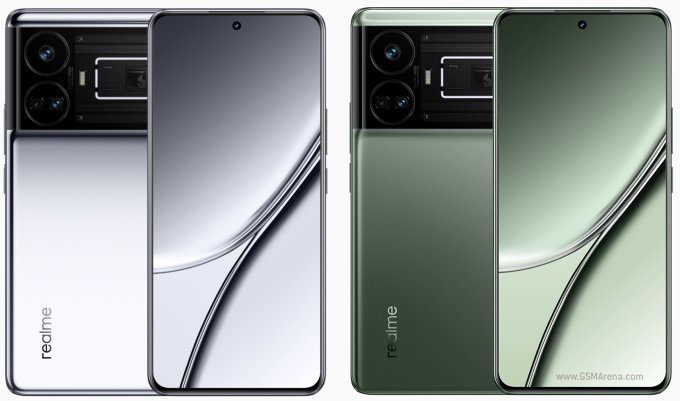
6. Realme GT 5

  • Processor: MediaTek Dimensity 9200 (4‑nm)
  • RAM: 8 GB
  • Camera: Dual 50 MP (wide) + 8 MP (ultrawide)
  • Battery: 5,200 mAh (fast‑charging 65 W)
  • Display: 6.55‑inch Super AMOLED, 2400 × 1080 px, 144 Hz

The Realme GT 5 packs a punch for its price, delivering smooth performance and a high‑refresh‑rate screen that makes scrolling through pollution alerts a breeze. Its sizeable 5,200 mAh battery, combined with 65 W fast charging, ensures you’re never left in the dark during extended commutes.

Who should buy it: Budget‑conscious shoppers who still want a flagship‑like experience, especially those who rely heavily on real‑time data apps.

Buying Guide — What to Look For

1. Processor & RAM – Air‑quality apps and live maps can be data‑intensive. Aim for a Snapdragon 8‑series or Apple A‑series chip with at least 6 GB of RAM for smooth multitasking.

2. Battery Capacity & Charging Speed – Frequent notifications mean you’ll be checking the phone often. A battery of 4,000 mAh + with fast‑charging (30 W + ) ensures the device lasts through a full day of alerts.

3. Display Visibility – A bright, high‑contrast screen (minimum 400 nits) helps you read AQI data outdoors, even on overcast London days.

4. Software Updates – Security patches are crucial for health‑related apps. Choose brands that promise at least three years of Android updates or Apple’s five‑year iOS support.

5. Connectivity – 5G and Wi‑Fi 6E guarantee quick data retrieval from government air‑quality APIs and third‑party services.

6. Additional Sensors – Some phones (e.g

Where to Buy

All phones listed above are available on Amazon India with fast delivery and easy returns:

🛒 Browse all deals on Amazon India →

As an Amazon Associate we earn from qualifying purchases.

Air Pollution Warning London

Introduction

Whether you’re navigating the bustling streets of London or catching up on the latest air‑pollution alerts, a reliable smartphone is your best companion. Below is a curated list of the top phones that combine performance, battery life, and connectivity to keep you informed and productive, even on days when the city’s air quality drops.

Quick Summary

Phone Price (INR) Best For
Apple iPhone 15 1,39,900 Seamless ecosystem & premium camera
Samsung Galaxy S24 1,29,999 All‑round flagship with vibrant display
Google Pixel 8 Pro 1,09,999 Best Android experience & AI features
OnePlus 12 69,999 Fast performance at a competitive price
Xiaomi 13 Pro 89,999 Photography enthusiast’s choice
Realme GT 5 39,999 Budget powerhouse with solid battery life

1. Apple iPhone 15

  • Processor: A16 Bionic (5‑nm)
  • RAM: 6 GB
  • Camera: Dual 48 MP (wide) + 12 MP (ultrawide)
  • Battery: 3,300 mAh (up to 20 hrs video playback)
  • Display: 6.1‑inch Super Retina XDR, 2556 × 1179 px, 460 nits

The iPhone 15 delivers a smooth, lag‑free experience thanks to Apple’s efficient A16 chip, making real‑time updates from air‑quality apps instantly accessible. Its superb camera system also captures crisp images of the city’s skyline, useful for sharing alerts or documenting hazy days.

Who should buy it: Users already invested in the Apple ecosystem who value timely notifications, top‑tier photography, and long‑term software support.

2. Samsung Galaxy S24

  • Processor: Snapdragon 8 Gen 3 (4‑nm)
  • RAM: 8 GB
  • Camera: Triple 50 MP (wide) + 12 MP (ultrawide) + 12 MP (telephoto)
  • Battery: 4,300 mAh (fast‑charging 45 W)
  • Display: 6.2‑inch Dynamic AMOLED 2X, 2340 × 1080 px, 120 Hz

Samsung’s flagship offers a bright, colour‑accurate display that remains readable even under the grey London sky, while the powerful Snapdragon processor ensures smooth operation of environmental‑monitoring apps. The large battery keeps you online throughout the day, even when you’re constantly checking AQI alerts.

Who should buy it: Android enthusiasts who want a premium screen, robust multitasking, and a versatile camera kit.

3. Google Pixel 8 Pro

  • Processor: Google Tensor G3 (4‑nm)
  • RAM: 12 GB
  • Camera: Triple 50 MP (wide) + 48 MP (ultrawide) + 48 MP (telephoto)
  • Battery: 5,000 mAh (fast‑charging 30 W)
  • Display: 6.7‑inch LTPO OLED, 3120 × 1440 px, 120 Hz

Pixel 8 Pro shines with Google’s AI‑driven features, including real‑time translation of air‑quality alerts and predictive battery management that learns your usage patterns. Its clean Android experience receives updates faster than most competitors, keeping security patches for health‑related apps up‑to‑date.

Who should buy it: Users who prioritize AI assistance, timely software updates, and the best integration with Google services such as Maps and Weather.

4. OnePlus 12

  • Processor: Snapdragon 8 Gen 3 (4‑nm)
  • RAM: 12 GB
  • Camera: Triple 50 MP (wide) + 48 MP (ultrawide) + 8 MP (telephoto)
  • Battery: 5,000 mAh (fast‑charging 80 W)
  • Display: 6.7‑inch Fluid AMOLED, 3216 × 1440 px, 120 Hz

OnePlus 12 offers flagship‑level performance at a more approachable price point, making it ideal for those who need a fast device to run multiple pollution‑tracking widgets simultaneously. The 80 W fast charger gets the phone from 0 % to 70 % in just 25 minutes—perfect for busy commuters.

Who should buy it: Power users who want flagship speed, rapid charging, and a clean OxygenOS experience without the premium price tag.

5. Xiaomi 13 Pro

  • Processor: Snapdragon 8 Gen 2 (4‑nm)
  • RAM: 12 GB
  • Camera: Triple 50 MP (wide) + 50 MP (ultrawide) + 50 MP (telephoto)
  • Battery: 4,800 mAh (fast‑charging 120 W)
  • Display: 6.73‑inch LTPO AMOLED, 3200 × 1440 px, 120 Hz

Xiaomi’s flagship focuses heavily on photography, but its high‑resolution display and ultra‑fast 120 W charging also make it a reliable companion for checking live air‑quality maps on the go. The large battery ensures you stay connected during prolonged periods of poor air quality when you might be indoors with the windows shut.

Who should buy it: Photo‑centric users who also need a fast‑charging, high‑refresh‑rate device for real‑time environmental monitoring.

6. Realme GT 5

  • Processor: MediaTek Dimensity 9200 (4‑nm)
  • RAM: 8 GB
  • Camera: Dual 50 MP (wide) + 8 MP (ultrawide)
  • Battery: 5,200 mAh (fast‑charging 65 W)
  • Display: 6.55‑inch Super AMOLED, 2400 × 1080 px, 144 Hz

The Realme GT 5 packs a punch for its price, delivering smooth performance and a high‑refresh‑rate screen that makes scrolling through pollution alerts a breeze. Its sizeable 5,200 mAh battery, combined with 65 W fast charging, ensures you’re never left in the dark during extended commutes.

Who should buy it: Budget‑conscious shoppers who still want a flagship‑like experience, especially those who rely heavily on real‑time data apps.

Buying Guide — What to Look For

1. Processor & RAM – Air‑quality apps and live maps can be data‑intensive. Aim for a Snapdragon 8‑series or Apple A‑series chip with at least 6 GB of RAM for smooth multitasking.

2. Battery Capacity & Charging Speed – Frequent notifications mean you’ll be checking the phone often. A battery of 4,000 mAh + with fast‑charging (30 W + ) ensures the device lasts through a full day of alerts.

3. Display Visibility – A bright, high‑contrast screen (minimum 400 nits) helps you read AQI data outdoors, even on overcast London days.

4. Software Updates – Security patches are crucial for health‑related apps. Choose brands that promise at least three years of Android updates or Apple’s five‑year iOS support.

5. Connectivity – 5G and Wi‑Fi 6E guarantee quick data retrieval from government air‑quality APIs and third‑party services.

6. Additional Sensors – Some phones (e.g

Where to Buy

All phones listed above are available on Amazon India with fast delivery and easy returns:

🛒 Browse all deals on Amazon India →

As an Amazon Associate we earn from qualifying purchases.

Leave a Comment

Your email address will not be published. Required fields are marked *

Join our exclusive club!

Exit mobile version