Introduction
When you’re training for a mission to the stars, the right smartphone becomes a vital tool for communication, navigation, and data capture. Below is a curated list of the best phones that can stand up to the demanding environment of astronaut applications while delivering top‑tier performance on Earth.
Quick Summary
| Phone | Price (INR) | Best For |
|---|---|---|
| Apple iPhone 15 Pro Max | ₹1,79,999 | All‑round performance & ecosystem |
| Samsung Galaxy S23 Ultra | ₹1,39,999 | Camera & AR capabilities |
| Google Pixel 8 Pro | ₹1,09,999 | Clean Android & AI tools |
| OnePlus 11 (12 GB/256 GB) | ₹69,999 | Value & speed |
| Sony Xperia 1 IV | ₹1,24,999 | Professional video & display |
| CAT S62 Pro | ₹79,999 | Rugged reliability |
1. Apple iPhone 15 Pro Max

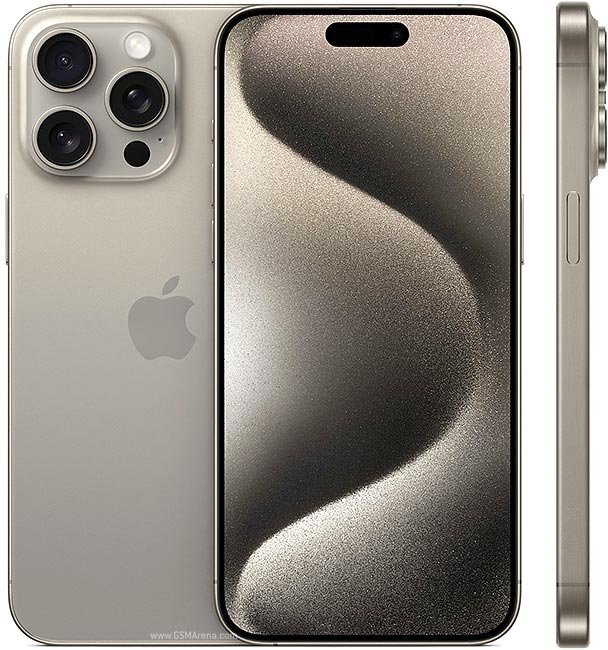
- Processor: Apple A17 Pro (6‑core)
- RAM: 8 GB
- Camera: Triple 48 MP (wide) + 12 MP (ultrawide) + 12 MP (telephoto), LiDAR scanner
- Battery: 4,500 mAh, up to 29 hours talk time
- Display: 6.7‑inch Super Retina XDR, 120 Hz ProMotion OLED
The iPhone 15 Pro Max combines unmatched processing power with a robust ecosystem of mission‑critical apps, from real‑time telemetry to secure video conferencing. Its LiDAR scanner and advanced computational photography make it ideal for capturing high‑resolution images of experimental setups inside the ISS.
Who should buy it: Astronauts who rely on a seamless blend of performance, security, and a mature suite of professional‑grade apps.
2. Samsung Galaxy S23 Ultra
- Processor: Qualcomm Snapdragon 8 Gen 2 (4 nm)
- RAM: 12 GB
- Camera: Quad 200 MP (wide) + 12 MP (ultrawide) + 10 MP (periscope telephoto) + 10 MP (telephoto)
- Battery: 5,000 mAh, fast‑charge 45 W
- Display: 6.8‑inch Dynamic AMOLED 2X, 120 Hz, QHD+
Samsung’s flagship excels in AR and spatial mapping, thanks to its high‑resolution sensor array and powerful Snapdragon chipset. The S‑Pen support adds a precise input method for drafting schematics or annotating images while in zero‑gravity.
Who should buy it: Professionals who need a versatile camera system and stylus support for on‑the‑fly documentation.
3. Google Pixel 8 Pro


- Processor: Google Tensor G3
- RAM: 12 GB
- Camera: Triple 50 MP (wide) + 48 MP (ultrawide) + 48 MP (telephoto), Magic Eraser AI
- Battery: 5,050 mAh, adaptive battery up to 30 hours
- Display: 6.7‑inch LTPO OLED, 120 Hz, 1440p
The Pixel 8 Pro offers the purest Android experience, with Google’s AI suite streamlining data analysis, language translation, and image enhancement—features that can be lifesavers during complex experiments. Its real‑time transcription and live‑captioning are valuable for crew communication.
Who should buy it: Astronauts who prefer a clean OS, frequent software updates, and AI‑driven productivity tools.
4. OnePlus 11 (12 GB/256 GB)
- Processor: Snapdragon 8 Gen 2
- RAM: 12 GB
- Camera: Triple 50 MP (wide) + 48 MP (ultrawide) + 32 MP (telephoto)
- Battery: 5,000 mAh, 100 W SuperVOOC fast charge
- Display: 6.7‑inch Fluid AMOLED, 120 Hz, 1440p
OnePlus 11 delivers flagship‑level speed at a fraction of the price, making it an excellent choice for budget‑conscious space agencies. Its OxygenOS interface is lightweight, and the 100 W charging ensures the device is ready after short power‑down periods.
Who should buy it: Teams looking for high performance without the premium price tag, especially for secondary or backup units.
5. Sony Xperia 1 IV
- Processor: Snapdragon 8 Gen 2
- RAM: 12 GB
- Camera: Triple 12 MP (wide) + 12 MP (ultrawide) + 12 MP (telephoto) with real‑time eye‑AF and 4K video recording at 120 fps
- Battery: 5,000 mAh, fast charge 30 W
- Display: 6.5‑inch 4K HDR OLED, 120 Hz
Sony’s cinema‑grade display and precise manual controls make the Xperia 1 IV the go‑to device for documenting scientific procedures in ultra‑high definition. Its 4K 120 fps video capability captures fluid dynamics experiments with extraordinary clarity.
Who should buy it: Researchers and engineers who need the highest video fidelity for post‑mission analysis.
6. CAT S62 Pro
- Processor: Snapdragon 8 Gen 1
- RAM: 8 GB
- Camera: Single 12 MP with FLIR thermal imaging
- Battery: 4,800 mAh, rugged 15 W charge
- Display: 5.7‑inch Toughened LCD, 1080p, Gorilla Glass 6
The CAT S62 Pro is built to survive extreme conditions—dust, shock, and temperature swings that mimic space‑craft environments. Its integrated FLIR thermal camera can detect heat leaks in equipment, a useful feature for preventive maintenance on orbit.
Who should buy it: Mission specialists who need a phone that can endure harsh handling and provide thermal diagnostics.
Buying Guide — What to Look For
- Durability & environmental resistance: Look for IP68 water‑resistance, MIL‑STD‑810G certification, or rugged frames that can handle vibration and temperature extremes.
- Processing power: A flagship‑class SoC (e.g., Snapdragon 8 Gen 2 or Apple A17) ensures smooth operation of scientific apps and real‑time data processing.
- Camera system: High‑resolution sensors, optical zoom, and specialized modules (LiDAR, thermal) aid in documentation and equipment inspection.
- Battery life & fast charging: A capacity of 4,500 mAh+ combined with fast‑charge (≥30 W) reduces downtime during limited power windows.
- Display quality: OLED or high‑refresh‑rate panels improve readability in low‑light or high‑contrast environments.
- Software support: Regular security patches and a reliable ecosystem (iOS or Android) are essential for mission‑critical reliability.
- Connectivity: 5G, Wi‑Fi 6E, and robust GPS/GLONASS modules ensure uninterrupted communication with ground control.
Final Verdict — Our Top Pick
For astronaut applications, the Apple iPhone 15 Pro
Where to Buy
All phones listed above are available on Amazon India with fast delivery and easy returns:
🛒 Browse all deals on Amazon India →
As an Amazon Associate we earn from qualifying purchases.