College life in India demands a smartphone that can juggle online classes, research, social media, and entertainment without breaking the bank. Below is a curated list of the best phones for students in 2026, balancing performance, battery life, camera quality, and price.
| Phone | Price (INR) | Best For |
|---|---|---|
| Samsung Galaxy A54 5G | ₹24,999 | All‑rounder with solid display |
| Xiaomi Redmi Note 13 Pro | ₹21,499 | Best value for camera lovers |
| Realme 12 Pro+ | ₹22,990 | Fast charging & smooth performance |
| iPhone SE (2024) | ₹33,990 | iOS ecosystem & compact design |
| OnePlus Nord CE 3 | ₹23,990 | Premium feel at a mid‑range price |
| Motorola Moto G73 | ₹19,990 | Clean UI & reliable battery |
1. Samsung Galaxy A54 5G
- Processor: Exynos 1380 (8 nm), Octa‑core
- RAM: 6 GB / 8 GB
- Camera: Triple – 50 MP main, 12 MP ultra‑wide, 5 MP macro
- Battery: 5,000 mAh, 25 W fast charging
- Display: 6.5‑inch Super AMOLED, 120 Hz, FHD+
The Galaxy A54 5G offers a vibrant AMOLED screen that makes long study sessions easier on the eyes, while its Exynos 1380 handles multitasking and video streaming without lag. The 50 MP sensor delivers crisp photos for project work and social media.
Who should buy it: Students who want a premium‑looking display and reliable performance without stepping into flagship pricing.
2. Xiaomi Redmi Note 13 Pro
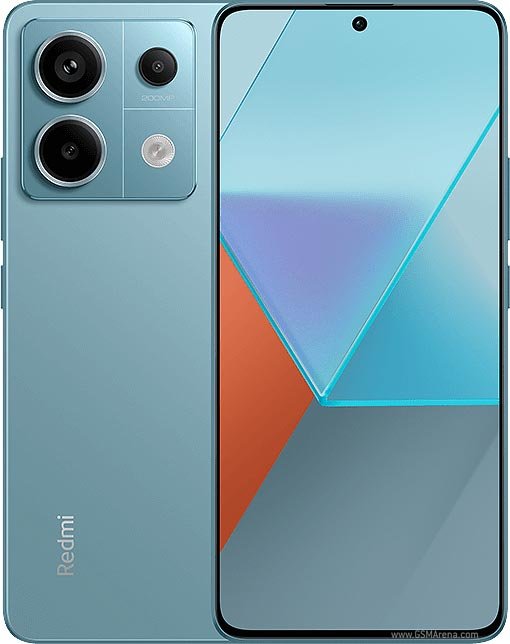
- Processor: MediaTek Dimensity 7200, Octa‑core
- RAM: 8 GB
- Camera: Triple – 108 MP main, 8 MP ultra‑wide, 2 MP depth
- Battery: 5,200 mAh, 67 W fast charging
- Display: 6.67‑inch IPS LCD, 120 Hz, FHD+
Redmi Note 13 Pro packs a 108 MP primary camera, perfect for capturing lecture notes, diagrams, and campus life in detail. The Dimensity 7200 chipset ensures smooth gaming and video playback, while the massive 5,200 mAh battery keeps you powered through back‑to‑back classes.
Who should buy it: Budget‑conscious students who prioritize photography and fast charging.
3. Realme 12 Pro+
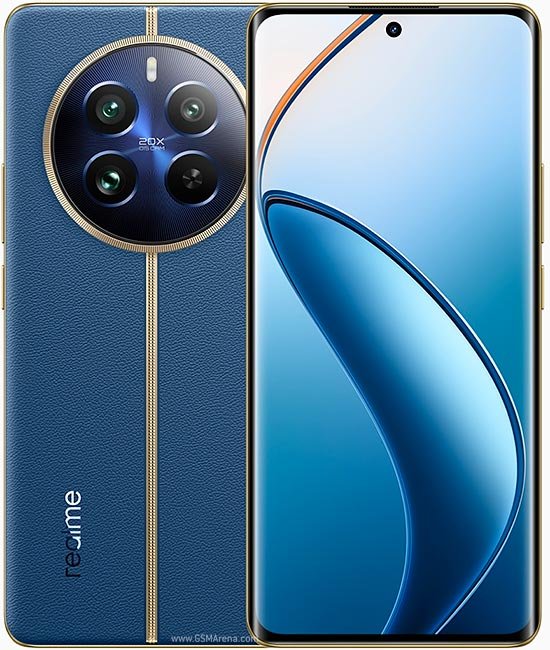
- Processor: Snapdragon 7+ Gen 3, Octa‑core
- RAM: 8 GB / 12 GB
- Camera: Triple – 64 MP main, 12 MP ultra‑wide, 2 MP macro
- Battery: 5,000 mAh, 80 W fast charging
- Display: 6.4‑inch Super AMOLED, 120 Hz, FHD+
Realme 12 Pro+ stands out with its 80 W charging capability—full charge in under 30 minutes—ideal for students constantly on the move. The Snapdragon 7+ Gen 3 provides a balanced mix of power and efficiency for both study apps and casual gaming.
Who should buy it: Learners who need ultra‑fast charging and a smooth AMOLED display for media consumption.
4. iPhone SE (2024)
- Processor: Apple A18 Bionic, Hexa‑core
- RAM: 6 GB
- Camera: Single 12 MP rear, 7 MP front
- Battery: 2,500 mAh, 20 W fast charging
- Display: 4.7‑inch Retina LCD, 1334 × 750 px
The iPhone SE (2024) brings Apple’s flagship A18 Bionic chip to a compact, affordable form factor. While the battery is modest, the device’s software optimization and iOS ecosystem deliver day‑long endurance for most student workloads.
Who should buy it: Students already invested in the Apple ecosystem or those who prefer a small, powerful iOS phone.
5. OnePlus Nord CE 3
- Processor: MediaTek Dimensity 9200, Octa‑core
- RAM: 8 GB / 12 GB
- Camera: Triple – 50 MP main, 16 MP ultra‑wide, 2 MP macro
- Battery: 5,000 mAh, 65 W fast charging
- Display: 6.55‑inch Fluid AMOLED, 120 Hz, FHD+
OnePlus Nord CE 3 offers a near‑flagship experience with its Dimensity 9200 processor and Fluid AMOLED panel. The OxygenOS skin is lightweight, providing a clean Android experience that’s perfect for productivity apps and note‑taking.
Who should buy it: Students who want a premium feel, smooth performance, and a clean software experience without the flagship price tag.
6. Motorola Moto G73

- Processor: Snapdragon 7c Gen 3, Octa‑core
- RAM: 6 GB
- Camera: Triple – 50 MP main, 8 MP ultra‑wide, 2 MP macro
- Battery: 5,000 mAh, 33 W fast charging
- Display: 6.6‑inch IPS LCD, 90 Hz, FHD+
The Moto G73 is praised for its near‑stock Android experience and dependable battery life. Its Snapdragon 7c Gen 3 chipset handles everyday tasks efficiently, making it a solid companion for lecture streaming and e‑books.
Who should buy it: Students who prefer a clean UI, long‑lasting battery, and a budget‑friendly price.
Buying Guide — What to Look for in a Student Phone
Performance & multitasking – A mid‑range chipset (Dimensity 7200, Snapdragon 7+ Gen 3, or Apple A18) paired with at least 6 GB of RAM ensures smooth operation of video calls, cloud‑based document editors, and occasional gaming.
Battery life & charging – Aim for a minimum 5,000 mAh battery. Fast‑charging (30 W+ for Android, 20 W for iOS) helps you top up between classes.
Display quality – A 120 Hz refresh rate reduces eye strain during long reading sessions. AMOLED panels provide better colour accuracy, but a good IPS LCD is acceptable if the budget is tight.
Camera capability – While you don’t need a flagship‑level sensor, a 48 MP+ main camera with a decent ultra‑wide lens is useful for capturing whiteboards, lab setups, and campus events.
Software updates – Devices that receive at least two years of Android OS upgrades (or iOS updates) stay secure and compatible with the latest educational apps.
Price vs. value – In India, a good student phone sits between ₹20,000‑₹35,000. Look for offers, student discounts, or exchange programmes to stretch your budget further.
Final Verdict — Our Top Pick
For the average Indian college student in 2026, the Samsung Galaxy A54 5G emerges as the best overall choice. It balances a premium AMOLED display, competent 6 GB/8 GB RAM options, a versatile camera system, and a reliable 5,000 mAh battery—all at a price under ₹25,000. The device also benefits from Samsung’s promise of four years of security updates, ensuring longevity throughout the entire college tenure.
Where to Buy
All phones listed above are available on Amazon India with fast delivery and easy returns:
🛒 Browse all deals on Amazon India →
As an Amazon Associate we earn from qualifying purchases.