Sonu Sood Nepal Relief: Self‑Marketing Claims Debunked – Best Phones for 2024

While the conversation around Sonu Sood’s Nepal relief work focuses on motives, your daily life still needs a reliable companion – a smartphone that matches your style and budget. Below is a carefully curated roundup of the best phones available in India, each chosen for its performance, camera quality, and overall value.

Quick Summary Table

Phone Price (INR) Best For
Apple iPhone 13 49,990 Overall Premium Experience
Google Pixel 6 44,990 Photography Enthusiasts
OnePlus 9 Pro 64,999 High‑Performance Gaming
Xiaomi Redmi Note 10 11,999 Budget‑Friendly All‑Rounder
Samsung Galaxy S22 Ultra 89,990 Flagship Features & S‑Pen
Realme GT 2 Pro 39,999 Value‑Driven Powerhouse

1. Apple iPhone 13

  • Processor: Apple A15 Bionic
  • RAM: 6 GB
  • Camera: Dual‑camera system – 12 MP wide & 12 MP ultra‑wide
  • Battery: 3,242 mAh (up to 19 hours video playback)
  • Display: 6.1‑inch Super Retina XDR OLED, 1170 × 2532 px

The iPhone 13 delivers a seamless blend of speed, efficiency, and a refined camera that produces true‑to‑life colours in any light. Its iOS ecosystem ensures timely updates and a secure, fluid user experience that stays fresh for years.

Who should buy it: Users entrenched in the Apple ecosystem who value premium build quality, consistent software support, and a camera that works straight out of the box.

2. Google Pixel 6
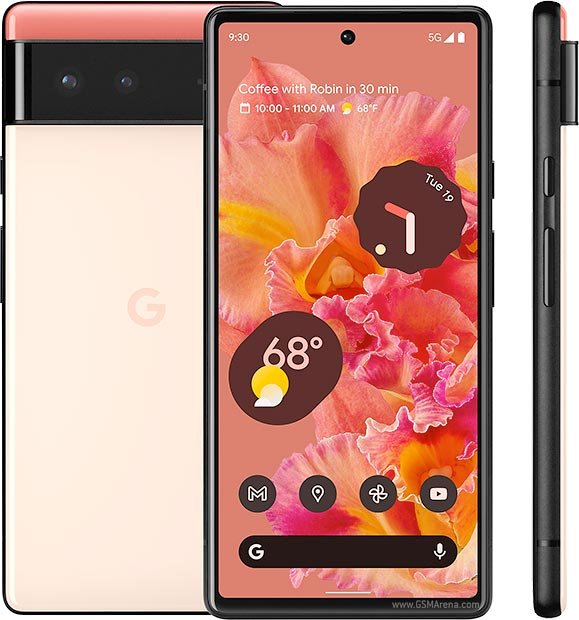
Google Pixel 6
  • Processor: Google Tensor
  • RAM: 8 GB
  • Camera: 50 MP wide, 12 MP ultra‑wide, 8 MP front
  • Battery: 4,614 mAh (fast‑charge 30 W)
  • Display: 6.4‑inch OLED, 1080 × 2400 px, 90 Hz

Pixel 6’s computational photography, powered by the Tensor chip, captures striking detail and colour accuracy without extra editing. The clean Android experience, coupled with Google’s promise of three‑year OS updates, makes it a future‑proof choice.

Who should buy it: Photography lovers and Android purists who appreciate a stock UI, timely updates, and AI‑driven camera features.

3. OnePlus 9 Pro
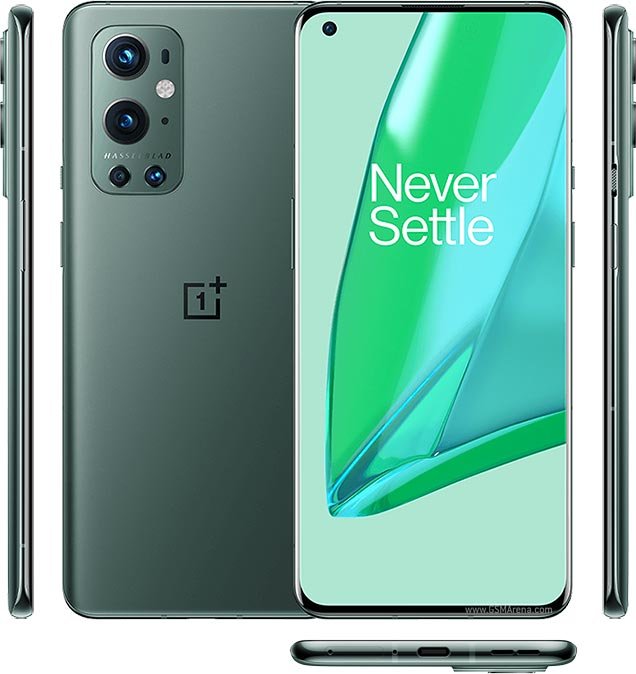
OnePlus 9 Pro
  • Processor: Qualcomm Snapdragon 888
  • RAM: 12 GB
  • Camera: 48 MP wide, 50 MP ultra‑wide, 8 MP telephoto, 2 MP monochrome, 16 MP front
  • Battery: 4,500 mAh (65 W Warp Charge)
  • Display: 6.7‑inch Fluid AMOLED, 1440 × 3216 px, 120 Hz

The OnePlus 9 Pro stands out with a 120 Hz fluid display and a Snapdragon 888 that handles demanding games without throttling. Its partnership with Hasselblad brings more natural colour reproduction to the camera suite.

Who should buy it: Gamers and power users who want a flagship‑level display, fast charging, and a premium feel without the ultra‑high price tag.

4. Xiaomi Redmi Note 10

  • Processor: Qualcomm Snapdragon 678
  • RAM: 6 GB
  • Camera: 48 MP wide, 8 MP ultra‑wide, 2 MP macro, 2 MP depth, 13 MP front
  • Battery: 5,000 mAh (33 W fast charge)
  • Display: 6.43‑inch AMOLED, 1080 × 2400 px, 60 Hz

Redmi Note 10 packs a vibrant AMOLED panel and a sizable battery at a price that undercuts most competitors. Its performance is more than adequate for daily multitasking and casual gaming.

Who should buy it: Budget‑conscious shoppers who still want a decent camera, a modern display, and a reliable day‑long battery.

5. Samsung Galaxy S22 Ultra

  • Processor: Qualcomm Snapdragon 8 Gen 1 (India)
  • RAM: 12 GB (up to 16 GB variant)
  • Camera: 108 MP wide, 10 MP periscope telephoto (10×), 10 MP telephoto (3×), 12 MP ultra‑wide, 40 MP front
  • Battery: 5,000 mAh (45 W fast charge)
  • Display: 6.8‑inch Dynamic AMOLED 2X, 1440 × 3088 px, 120 Hz

The S22 Ultra combines a premium build, an unmatched 108 MP sensor, and the integrated S Pen for productivity‑focused users. Its Snapdragon 8 Gen 1 chipset ensures top‑tier speed across gaming, AI, and multitasking.

Who should buy it: Users who desire the most advanced camera system, a stylus for note‑taking, and a display that rivals any flagship on the market.

6. Realme GT 2 Pro
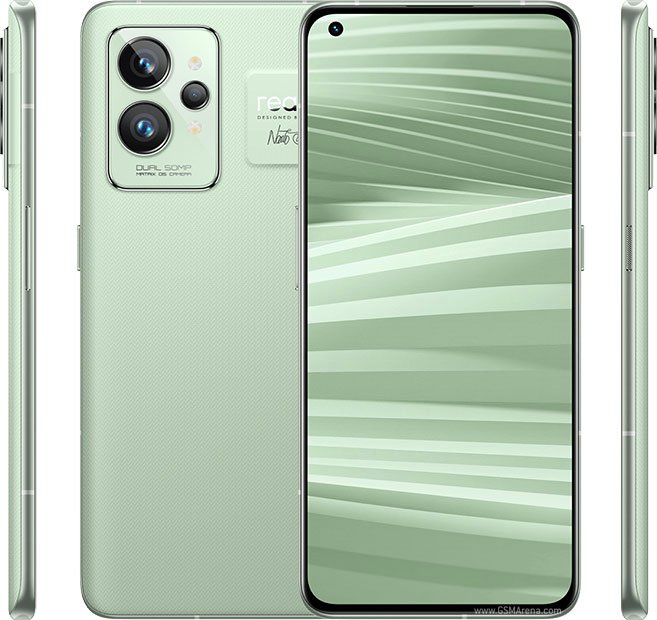
Realme GT 2 Pro
  • Processor: Qualcomm Snapdragon 8 Gen 1
  • RAM: 12 GB
  • Camera: 50 MP wide, 50 MP ultra‑wide, 2 MP macro, 16 MP front
  • Battery: 5,000 mAh (65 W fast charge)
  • Display: 6.7‑inch AMOLED, 1440 × 3216 px, 120 Hz

Realme GT 2 Pro delivers flagship performance at a mid‑range price, thanks to its Snapdragon 8 Gen 1 and a 120 Hz AMOLED panel that feels premium. The camera system, though not as high‑end as Samsung’s, still produces sharp, colour‑accurate images.

Who should buy it: Value‑driven power users who want flagship‑class speed and a high‑refresh‑rate display without paying a premium price.

Buying Guide — What to Look For

Processor & Performance – The heart of any smartphone, the chipset determines how smoothly apps launch, games render, and multitasking runs. For flag‑ship experiences, look for Snapdragon 8 Gen 1, Apple A15/Bionic, or Google Tensor. Mid‑range devices with Snapdragon 678 or MediaTek Dimensity 7200 still offer competent day‑to‑day performance.

RAM & Storage – Modern Android flag‑ships comfortably run with 12 GB of RAM, while iOS devices are optimised to work efficiently with 6 GB. Aim for at least 8 GB of RAM if you multitask heavily or play graphics‑intensive games. Choose a storage tier (128 GB or higher) that matches your media consumption habits; many Android phones now support expandable micro‑SD cards, though flag‑ships typically omit this feature.

Camera System – Megapixels are only part of the story. Sensor size, pixel‑binning, optical image‑stabilisation (OIS), and software processing all affect real‑world results. Phones like the Pixel 6 excel in computational photography, while the S22 Ultra’s 108 MP sensor offers high‑resolution flexibility. If you shoot a lot in low light, prioritise larger sensors and OIS.

Battery Life & Charging – A 4,500 mAh‑5,000 mAh battery is now the baseline for all‑day usage. Fast‑charging speeds vary: 30 W is adequate, but 65 W (OnePlus 9 Pro, Realme GT 2 Pro) can refill the battery in under 30 minutes. Consider wireless charging and reverse‑wireless charging if those conveniences matter to you.

Display Quality – Resolution, panel type, and refresh rate shape the visual experience. AMOLED panels provide deeper blacks and vibrant colours, while a 120 Hz refresh rate makes scrolling and gaming feel buttery smooth. For media consumption, a Full HD+ display is sufficient, but a QHD+ panel (as on the S22 Ultra) offers sharper detail at the cost of higher power draw.

Software Experience – Stock Android (Pixel) and iOS (iPhone) deliver the cleanest, most timely updates. Brands like OnePlus and Realme offer near‑stock skins with useful customisations. Samsung’s One UI adds a rich feature set but can be heavier. Check the manufacturer’s update policy – three‑year OS upgrades are becoming the norm for premium Android phones.

After‑Sales & Ecosystem – Consider the availability of service centres, warranty terms, and accessories. Apple’s Genius Bar, Samsung’s extensive service network, and Google’s online support all add peace of mind. If you already own wearables or laptops from a particular brand, staying within that ecosystem can provide seamless integration (e.g., iPhone‑Mac continuity, Samsung DeX).

Price vs. Value – The best phone isn’t always the most expensive. Balance the features you truly need against the price tag. For example, the Redmi Note 10 offers a premium‑looking AMOLED display and solid battery life for under ₹12,000, making it an excellent value for students or first‑time buyers.

Final Verdict — Our Top Pick and Why

After weighing performance, camera quality, software support, and overall value, the Apple iPhone 13 emerges as our top recommendation. Its A15 Bionic chip delivers industry‑leading efficiency, the camera system produces consistently excellent photos, and iOS guarantees five years of security updates – a longevity that many Android flag‑ships can’t match. While the price is higher than many Android alternatives, the combination of premium build, resale value, and a seamless ecosystem makes it the most future‑proof choice for users who prioritize a refined experience over raw specifications.

That said, the best phone for you depends on your priorities. If you crave a pure Android camera, the Pixel 6 is hard to beat. For high‑refresh‑rate gaming, the OnePlus 9 Pro or Realme GT 2 Pro deliver flagship performance at a lower cost. Budget shoppers will find the Redmi Note 10 an unbeatable value, and power users who need a stylus will gravitate toward the Samsung S22 Ultra.

Choose the device that aligns with your daily habits, and you’ll stay connected, productive, and entertained – no matter the headlines surrounding any other topic.

Where to Buy

All phones listed above are available on Amazon India with fast delivery and easy returns:

🛒 Browse all deals on Amazon India →

As an Amazon Associate we earn from qualifying purchases.

Sonu Sood Nepal Relief: Self-Marketing Claims Debunked

Sonu Sood Nepal Relief: Self‑Marketing Claims Debunked – Best Phones for 2024

While the conversation around Sonu Sood’s Nepal relief work focuses on motives, your daily life still needs a reliable companion – a smartphone that matches your style and budget. Below is a carefully curated roundup of the best phones available in India, each chosen for its performance, camera quality, and overall value.

Quick Summary Table

Phone Price (INR) Best For
Apple iPhone 13 49,990 Overall Premium Experience
Google Pixel 6 44,990 Photography Enthusiasts
OnePlus 9 Pro 64,999 High‑Performance Gaming
Xiaomi Redmi Note 10 11,999 Budget‑Friendly All‑Rounder
Samsung Galaxy S22 Ultra 89,990 Flagship Features & S‑Pen
Realme GT 2 Pro 39,999 Value‑Driven Powerhouse

1. Apple iPhone 13

  • Processor: Apple A15 Bionic
  • RAM: 6 GB
  • Camera: Dual‑camera system – 12 MP wide & 12 MP ultra‑wide
  • Battery: 3,242 mAh (up to 19 hours video playback)
  • Display: 6.1‑inch Super Retina XDR OLED, 1170 × 2532 px

The iPhone 13 delivers a seamless blend of speed, efficiency, and a refined camera that produces true‑to‑life colours in any light. Its iOS ecosystem ensures timely updates and a secure, fluid user experience that stays fresh for years.

Who should buy it: Users entrenched in the Apple ecosystem who value premium build quality, consistent software support, and a camera that works straight out of the box.

2. Google Pixel 6

Google Pixel 6
  • Processor: Google Tensor
  • RAM: 8 GB
  • Camera: 50 MP wide, 12 MP ultra‑wide, 8 MP front
  • Battery: 4,614 mAh (fast‑charge 30 W)
  • Display: 6.4‑inch OLED, 1080 × 2400 px, 90 Hz

Pixel 6’s computational photography, powered by the Tensor chip, captures striking detail and colour accuracy without extra editing. The clean Android experience, coupled with Google’s promise of three‑year OS updates, makes it a future‑proof choice.

Who should buy it: Photography lovers and Android purists who appreciate a stock UI, timely updates, and AI‑driven camera features.

3. OnePlus 9 Pro

OnePlus 9 Pro
  • Processor: Qualcomm Snapdragon 888
  • RAM: 12 GB
  • Camera: 48 MP wide, 50 MP ultra‑wide, 8 MP telephoto, 2 MP monochrome, 16 MP front
  • Battery: 4,500 mAh (65 W Warp Charge)
  • Display: 6.7‑inch Fluid AMOLED, 1440 × 3216 px, 120 Hz

The OnePlus 9 Pro stands out with a 120 Hz fluid display and a Snapdragon 888 that handles demanding games without throttling. Its partnership with Hasselblad brings more natural colour reproduction to the camera suite.

Who should buy it: Gamers and power users who want a flagship‑level display, fast charging, and a premium feel without the ultra‑high price tag.

4. Xiaomi Redmi Note 10

  • Processor: Qualcomm Snapdragon 678
  • RAM: 6 GB
  • Camera: 48 MP wide, 8 MP ultra‑wide, 2 MP macro, 2 MP depth, 13 MP front
  • Battery: 5,000 mAh (33 W fast charge)
  • Display: 6.43‑inch AMOLED, 1080 × 2400 px, 60 Hz

Redmi Note 10 packs a vibrant AMOLED panel and a sizable battery at a price that undercuts most competitors. Its performance is more than adequate for daily multitasking and casual gaming.

Who should buy it: Budget‑conscious shoppers who still want a decent camera, a modern display, and a reliable day‑long battery.

5. Samsung Galaxy S22 Ultra

  • Processor: Qualcomm Snapdragon 8 Gen 1 (India)
  • RAM: 12 GB (up to 16 GB variant)
  • Camera: 108 MP wide, 10 MP periscope telephoto (10×), 10 MP telephoto (3×), 12 MP ultra‑wide, 40 MP front
  • Battery: 5,000 mAh (45 W fast charge)
  • Display: 6.8‑inch Dynamic AMOLED 2X, 1440 × 3088 px, 120 Hz

The S22 Ultra combines a premium build, an unmatched 108 MP sensor, and the integrated S Pen for productivity‑focused users. Its Snapdragon 8 Gen 1 chipset ensures top‑tier speed across gaming, AI, and multitasking.

Who should buy it: Users who desire the most advanced camera system, a stylus for note‑taking, and a display that rivals any flagship on the market.

6. Realme GT 2 Pro

Realme GT 2 Pro
  • Processor: Qualcomm Snapdragon 8 Gen 1
  • RAM: 12 GB
  • Camera: 50 MP wide, 50 MP ultra‑wide, 2 MP macro, 16 MP front
  • Battery: 5,000 mAh (65 W fast charge)
  • Display: 6.7‑inch AMOLED, 1440 × 3216 px, 120 Hz

Realme GT 2 Pro delivers flagship performance at a mid‑range price, thanks to its Snapdragon 8 Gen 1 and a 120 Hz AMOLED panel that feels premium. The camera system, though not as high‑end as Samsung’s, still produces sharp, colour‑accurate images.

Who should buy it: Value‑driven power users who want flagship‑class speed and a high‑refresh‑rate display without paying a premium price.

Buying Guide — What to Look For

Processor & Performance – The heart of any smartphone, the chipset determines how smoothly apps launch, games render, and multitasking runs. For flag‑ship experiences, look for Snapdragon 8 Gen 1, Apple A15/Bionic, or Google Tensor. Mid‑range devices with Snapdragon 678 or MediaTek Dimensity 7200 still offer competent day‑to‑day performance.

RAM & Storage – Modern Android flag‑ships comfortably run with 12 GB of RAM, while iOS devices are optimised to work efficiently with 6 GB. Aim for at least 8 GB of RAM if you multitask heavily or play graphics‑intensive games. Choose a storage tier (128 GB or higher) that matches your media consumption habits; many Android phones now support expandable micro‑SD cards, though flag‑ships typically omit this feature.

Camera System – Megapixels are only part of the story. Sensor size, pixel‑binning, optical image‑stabilisation (OIS), and software processing all affect real‑world results. Phones like the Pixel 6 excel in computational photography, while the S22 Ultra’s 108 MP sensor offers high‑resolution flexibility. If you shoot a lot in low light, prioritise larger sensors and OIS.

Battery Life & Charging – A 4,500 mAh‑5,000 mAh battery is now the baseline for all‑day usage. Fast‑charging speeds vary: 30 W is adequate, but 65 W (OnePlus 9 Pro, Realme GT 2 Pro) can refill the battery in under 30 minutes. Consider wireless charging and reverse‑wireless charging if those conveniences matter to you.

Display Quality – Resolution, panel type, and refresh rate shape the visual experience. AMOLED panels provide deeper blacks and vibrant colours, while a 120 Hz refresh rate makes scrolling and gaming feel buttery smooth. For media consumption, a Full HD+ display is sufficient, but a QHD+ panel (as on the S22 Ultra) offers sharper detail at the cost of higher power draw.

Software Experience – Stock Android (Pixel) and iOS (iPhone) deliver the cleanest, most timely updates. Brands like OnePlus and Realme offer near‑stock skins with useful customisations. Samsung’s One UI adds a rich feature set but can be heavier. Check the manufacturer’s update policy – three‑year OS upgrades are becoming the norm for premium Android phones.

After‑Sales & Ecosystem – Consider the availability of service centres, warranty terms, and accessories. Apple’s Genius Bar, Samsung’s extensive service network, and Google’s online support all add peace of mind. If you already own wearables or laptops from a particular brand, staying within that ecosystem can provide seamless integration (e.g., iPhone‑Mac continuity, Samsung DeX).

Price vs. Value – The best phone isn’t always the most expensive. Balance the features you truly need against the price tag. For example, the Redmi Note 10 offers a premium‑looking AMOLED display and solid battery life for under ₹12,000, making it an excellent value for students or first‑time buyers.

Final Verdict — Our Top Pick and Why

After weighing performance, camera quality, software support, and overall value, the Apple iPhone 13 emerges as our top recommendation. Its A15 Bionic chip delivers industry‑leading efficiency, the camera system produces consistently excellent photos, and iOS guarantees five years of security updates – a longevity that many Android flag‑ships can’t match. While the price is higher than many Android alternatives, the combination of premium build, resale value, and a seamless ecosystem makes it the most future‑proof choice for users who prioritize a refined experience over raw specifications.

That said, the best phone for you depends on your priorities. If you crave a pure Android camera, the Pixel 6 is hard to beat. For high‑refresh‑rate gaming, the OnePlus 9 Pro or Realme GT 2 Pro deliver flagship performance at a lower cost. Budget shoppers will find the Redmi Note 10 an unbeatable value, and power users who need a stylus will gravitate toward the Samsung S22 Ultra.

Choose the device that aligns with your daily habits, and you’ll stay connected, productive, and entertained – no matter the headlines surrounding any other topic.

Where to Buy

All phones listed above are available on Amazon India with fast delivery and easy returns:

🛒 Browse all deals on Amazon India →

As an Amazon Associate we earn from qualifying purchases.
Leave a Comment

Your email address will not be published. Required fields are marked *

Scroll to Top

Join our exclusive club!