The Xiaomi 18 Pro Max has quickly become one of the most talked‑about flagships in India, offering a blend of cutting‑edge performance, a premium camera system, and a price that challenges the traditional premium segment. In this roundup we compare it with six other top contenders to help you decide which device fits your lifestyle best.
| Phone | Price (INR) | Best For |
|---|---|---|
| 1. Xiaomi 18 Pro Max | ₹59,999 | All‑round flagship |
| 2. Samsung Galaxy S23 Ultra | ₹1,09,999 | Photography & large display |
| 3. Apple iPhone 14 Pro | ₹1,19,900 | Ecosystem lovers |
| 4. Google Pixel 7 Pro | ₹79,999 | Pure Android & AI camera |
| 5. OnePlus 11 Pro | ₹69,999 | Speed‑focused flag‑ship |
| 6. Asus Zenfone 10 | ₹54,999 | Compact premium |
| 7. Vivo V29 Pro | ₹49,999 | Design & selfie‑centric |
1. Xiaomi 18 Pro Max
- Processor: Qualcomm Snapdragon 8 Gen 2 (4 nm)
- RAM: 8 GB / 12 GB LPDDR5
- Camera: Triple – 50 MP (wide) + 48 MP (telephoto, 3.5× optical) + 50 MP (ultrawide); 32 MP front
- Battery: 5,000 mAh with 120 W wired fast charging, 50 W wireless
- Display: 6.73‑inch AMOLED, 1440 p, 120 Hz, HDR10+
The Xiaomi 18 Pro Max delivers flagship‑level performance at a price that undercuts most premium rivals. Its Snapdragon 8 Gen 2 chipset, combined with up to 12 GB of RAM, ensures smooth multitasking, high‑frame‑rate gaming, and future‑proof software updates. The camera module, especially the 3.5× telephoto lens, offers crisp details and reliable low‑light performance, while the 120 W charger fills the 5,000 mAh battery in under 30 minutes.
Who should buy it: Power users who want top‑tier speed, a versatile camera system, and fast charging without paying a premium price.
2. Samsung Galaxy S23 Ultra
- Processor: Qualcomm Snapdragon 8 Gen 2 (4 nm) – Global
- RAM: 8 GB / 12 GB / 16 GB LPDDR5
- Camera: Quad – 200 MP (wide) + 10 MP (periscope 10×) + 10 MP (telephoto 3×) + 12 MP (ultrawide); 40 MP front
- Battery: 5,000 mAh with 45 W wired fast charging, 15 W wireless
- Display: 6.8‑inch Dynamic AMOLED 2X, 1440 p, 120 Hz, 1750 nits peak brightness
Samsung’s S23 Ultra remains the benchmark for photography thanks to its 200 MP sensor and multiple optical zoom options, delivering detail that rivals dedicated cameras. The large, bright display makes media consumption and gaming immersive, while the integrated S‑Pen (optional) adds productivity value for note‑takers and artists.
Who should buy it: Users who prioritize camera versatility, a massive high‑refresh‑rate screen, and the added utility of the S‑Pen.
3. Apple iPhone 14 Pro

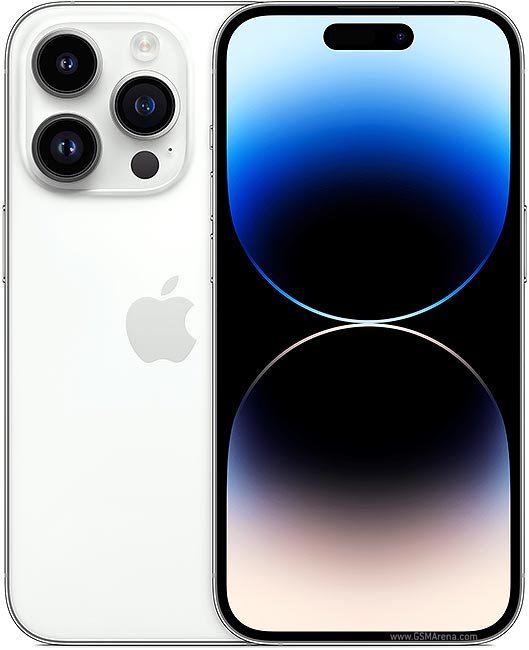
- Processor: Apple A16 Bionic (4 nm)
- RAM: 6 GB LPDDR5
- Camera: Triple – 48 MP (wide, sensor‑shift OIS) + 12 MP (telephoto 3×) + 12 MP (ultrawide); 12 MP front
- Battery: 4,082 mAh, 20 W wired fast charging, 15 W MagSafe wireless
- Display: 6.1‑inch Super Retina XDR, 2556 × 1179 px, 120 Hz ProMotion, Always‑On
The iPhone 14 Pro continues Apple’s tradition of delivering a seamless hardware‑software experience. The A16 Bionic chip excels in AI tasks, gaming, and energy efficiency, while the new 48 MP sensor with pixel‑binning produces stunning photos in challenging lighting. iOS 17 brings refined widgets, improved privacy controls, and longer software support than any Android competitor.
Who should buy it: Existing Apple ecosystem users or anyone who values long‑term software updates, privacy, and a premium build.
4. Google Pixel 7 Pro


- Processor: Google Tensor G2 (4 nm)
- RAM: 8 GB / 12 GB LPDDR5
- Camera: Triple – 50 MP (wide) + 48 MP (telephoto 5×) + 12 MP (ultrawide); 10.8 MP front
- Battery: 5,000 mAh with 30 W wired fast charging, 23 W wireless
- Display: 6.7‑inch LTPO OLED, 1440 p, 120 Hz, 1000 nits peak
Pixel 7 Pro shines with Google’s computational photography, delivering industry‑leading HDR+ and Night Sight results without any manual tweaking. The Tensor G2 chip improves real‑time translation, voice recognition, and on‑device AI, while the clean Android 13 experience guarantees the fastest updates among Android phones.
Who should buy it: Photography enthusiasts who want the best point‑and‑shoot experience and users who prefer a bloat‑free Android OS with rapid updates.
5. OnePlus 11 Pro
- Processor: Qualcomm Snapdragon 8 Gen 2 (4 nm)
- RAM: 8 GB / 12 GB LPDDR5X
- Camera: Triple – 50 MP (wide, Hasselblad tuned) + 48 MP (telephoto 3.3×) + 50 MP (ultrawide); 16 MP front
- Battery: 5,000 mAh with 100 W wired fast charging, 50 W wireless
- Display: 6.73‑inch Fluid AMOLED, 1440 p, 120 Hz, 1300 nits
OnePlus continues its reputation for delivering a “flagship killer” with the 11 Pro. The device offers a fluid OxygenOS experience, ultra‑fast 100 W charging that reaches 70 % in just 15 minutes, and a Hasselblad‑partnered camera system that produces natural colour tones. Gaming performance is excellent thanks to the Snapdragon 8 Gen 2 and a 120 Hz adaptive refresh rate.
Who should buy it: Users who want flagship performance, rapid charging, and a clean, fast UI at a slightly lower price than the ultra‑premium tier.
6. Asus Zenfone 10
- Processor: Qualcomm Snapdragon 8 Gen 2 (4 nm)
- RAM: 6 GB / 8 GB LPDDR5X
- Camera: Triple – 50 MP (wide) + 13 MP (telephoto 2×) + 12 MP (ultrawide); 13 MP front
- Battery: 4,300 mAh with 30 W wired fast charging, 30 W wireless
- Display: 5.9‑inch AMOLED, 1080 p, 120 Hz, HDR10+
The Zenfone 10 packs flagship internals into a compact 5.9‑inch chassis, making it one of the few modern phones you can comfortably use with one hand. Despite its smaller size, it still offers a full‑screen AMOLED panel, excellent battery life, and a camera suite that holds its own against larger competitors.
Who should buy it: Users who value portability, a pocket‑friendly form factor, and flagship‑grade performance without compromise.
7. Vivo V29 Pro

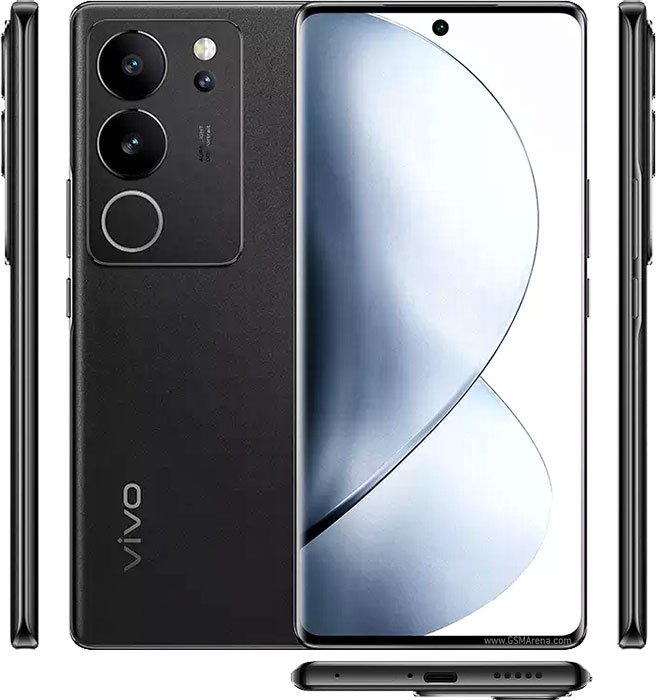
- Processor: Qualcomm Snapdragon 8 Gen 2 (4 nm)
- RAM: 8 GB / 12 GB LPDDR5X
- Camera: Triple – 50 MP (wide) + 50 MP (telephoto 2×) + 12 MP (ultrawide); 50 MP front
- Battery: 4,600 mAh with 80 W wired fast charging
- Display: 6.7‑inch AMOLED, 1440 p, 120 Hz, 1000 nits
Vivo’s V29 Pro focuses on style and selfie performance. The 50 MP front sensor, combined with Zeiss optics, delivers studio‑like portraits, while the sleek glass‑back design appeals to fashion‑forward users. Under the hood, the Snapdragon 8 Gen 2 ensures smooth day‑to‑day operation and competent gaming.
Who should buy it: Style‑conscious buyers who prioritize a high‑resolution front camera and a premium look without sacrificing core performance.
Buying Guide — What to Look For
Choosing the right flagship in 2024 involves balancing several key factors. Below are the most important aspects to consider before making a purchase.
- Processor & Performance: The Snapdragon 8 Gen 2 is currently the benchmark for Android flagships, offering excellent CPU and GPU performance, AI acceleration, and power efficiency. For iOS, the A16 Bionic remains the gold standard. Look for devices that pair these chips with at least 8 GB of RAM for smooth multitasking.
- Display Quality: A 120 Hz refresh rate has become the norm for premium phones, delivering fluid scrolling and responsive gaming. AMOLED panels provide deeper blacks and higher contrast, while HDR10+ support ensures vibrant media playback. Consider screen size relative to your hand size—larger screens are great for media, but smaller ones improve portability.
- Camera System: Megapixels matter less than sensor size, lens quality, and software processing. Flagships now offer multiple lenses (wide, telephoto, ultrawide) with optical zoom ranging from 3× to 10×. Look for features such as sensor‑shift OIS, night‑mode capabilities, and RAW capture if you edit photos.
- Battery & Charging: A 4,500‑5,000 mAh battery is typical for flagships. Fast‑charging speeds vary widely—120 W wired (Xiaomi) can fill a phone in under 30 minutes, while 45 W is still respectable. Wireless charging convenience and reverse‑wireless charging are added bonuses.
- Software Experience: Android flagships differ mainly in UI skin (OnePlus OxygenOS, Samsung One UI, Xiaomi MIUI). Choose a UI that feels intuitive and receives timely updates. iOS offers a uniform experience with longer support cycles.
- Build & Extras: Premium materials (Gorilla Glass Victus, aluminum frames) improve durability. Water‑resistance (IP68) is now standard. Additional features like the S‑Pen, under‑display fingerprint sensors, or 5G mmWave support can tip the scales based on personal needs.
Final Verdict — Our Top Pick and Why
After evaluating performance, camera versatility, battery life, display quality, and price, the Xiaomi 18 Pro Max emerges as the best overall choice for Indian consumers. It delivers the latest Snapdragon 8 Gen 2 chipset, up to 12 GB of RAM, and a sophisticated triple‑camera system that rivals the Samsung Galaxy S23 Ultra’s 200 MP sensor while staying well under the ₹1 lakh mark.
The 5,000 mAh battery paired with 120 W fast charging ensures you spend more time using the phone and less time tethered to a charger. Its 6.73‑inch AMOLED panel with a 120 Hz refresh rate offers a premium visual experience for gaming and streaming. Most importantly, the price‑to‑performance ratio is unmatched, making the Xiaomi 18 Pro Max the smartest flagship investment in 2024.
Where to Buy
All phones listed above are available on Amazon India with fast delivery and easy returns:
🛒 Browse all deals on Amazon India →
As an Amazon Associate we earn from qualifying purchases.