Introduction
Nvidia’s announced acquisition of AI leader Hugging Face for $12.9 billion is set to reshape the future of on‑device intelligence, promising faster inference and smarter assistants on smartphones. As AI becomes a core differentiator, choosing a phone that can fully leverage this next wave of technology is more important than ever.
In this roundup we evaluate the best smartphones on the Indian market that combine raw performance, advanced camera systems, and AI‑ready hardware, ensuring you get the most out of Nvidia‑driven innovations.
Quick Summary Table
| Phone | Price (INR) | Best For |
|---|---|---|
| Apple iPhone 14 Pro | 1,29,900 | Overall performance & ecosystem |
| Google Pixel 7 Pro | 79,999 | AI‑driven photography |
| OnePlus 11 | 69,999 | Gaming & speed |
| Samsung Galaxy S23 Ultra | 1,09,999 | Large display & S‑Pen productivity |
| Xiaomi 13 Pro | 79,999 | Value‑packed flagship |
| Realme GT 3 | 44,999 | Budget AI performance |
1. Apple iPhone 14 Pro
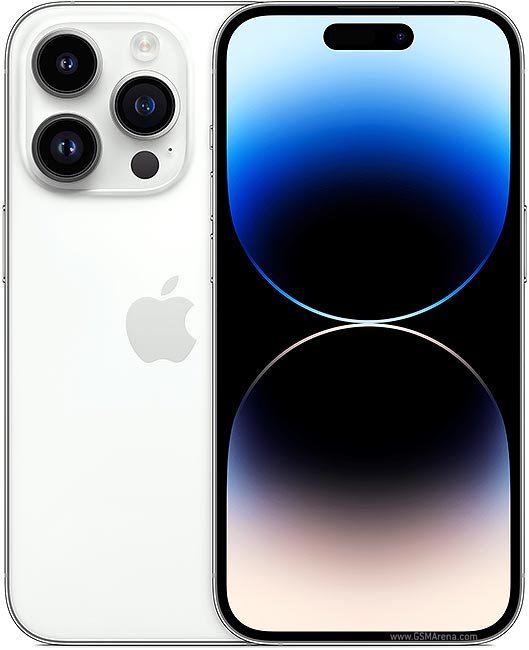
- Processor: Apple A16 Bionic (5‑nm)
- RAM: 6 GB
- Camera: Triple‑camera system – 48 MP main, 12 MP ultra‑wide, 12 MP telephoto (3× optical)
- Battery: 3,200 mAh (up to 23 hours video playback)
- Display: 6.1‑inch Super Retina XDR, ProMotion 120 Hz, OLED
The iPhone 14 Pro continues Apple’s tradition of delivering industry‑leading performance, thanks to the A16 Bionic’s dedicated Neural Engine that can run complex AI models locally with minimal latency. Combined with iOS 17’s on‑device processing, tasks like real‑time translation, photo enhancements, and predictive text feel instantaneous.
Who should buy it: Users already invested in the Apple ecosystem, professionals who need reliable performance for creative work, and anyone who wants the most polished AI experience out of the box.
2. Google Pixel 7 Pro
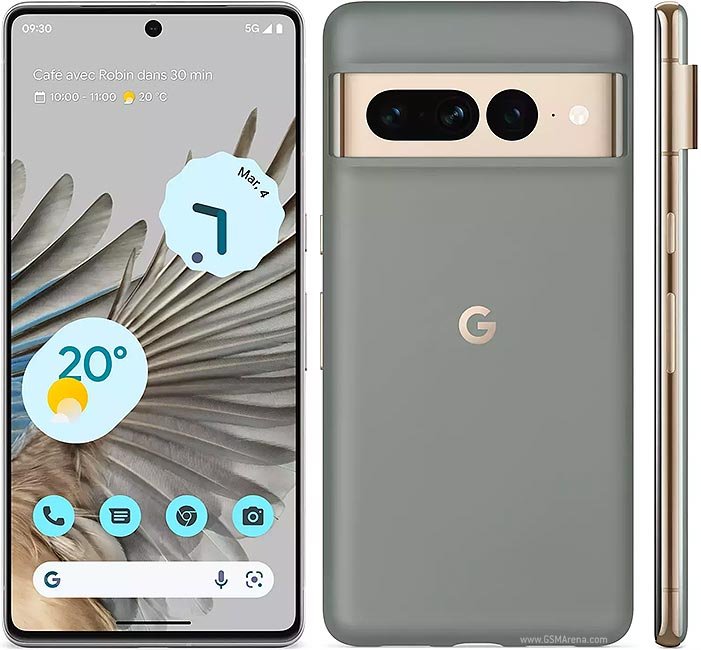
- Processor: Google Tensor G2 (5‑nm)
- RAM: 12 GB
- Camera: Triple‑camera – 50 MP main, 48 MP ultra‑wide, 48 MP telephoto (5× optical)
- Battery: 5,000 mAh (30 W fast charging)
- Display: 6.7‑inch LTPO OLED, 120 Hz, QHD+
Google’s Tensor G2 is built around AI, offering on‑device speech recognition, photo‑realistic HDR+, and the new “Magic Eraser” that removes unwanted objects without cloud processing. The Pixel 7 Pro’s clean Android 13 experience ensures you receive AI updates directly from Google as they become available.
Who should buy it: Photography enthusiasts who love computational photography, Android purists who value timely updates, and developers looking for a phone that runs TensorFlow Lite models efficiently.
3. OnePlus 11
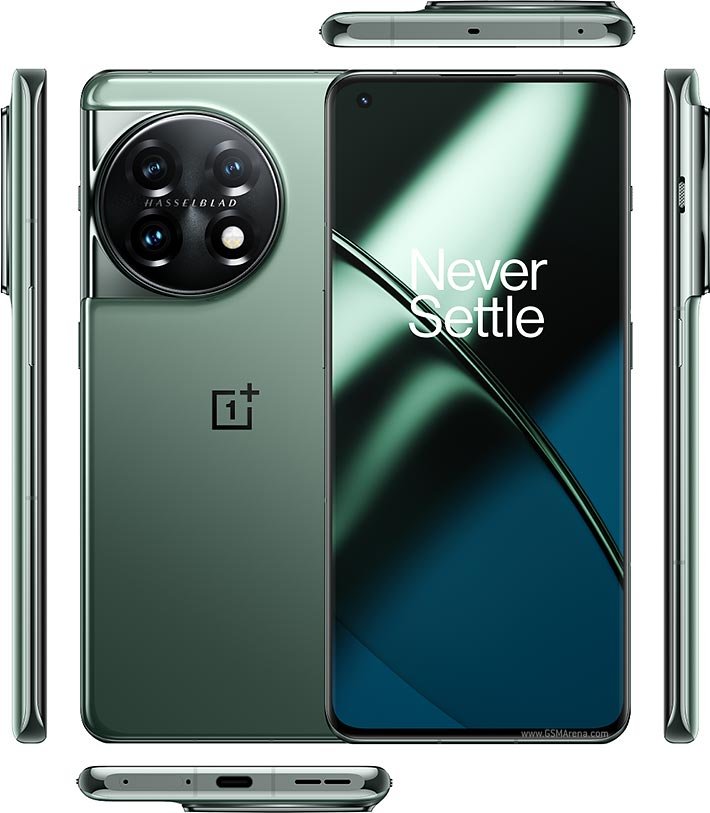
- Processor: Qualcomm Snapdragon 8 Gen 2 (4‑nm)
- RAM: 8 GB / 12 GB LPDDR5X
- Camera: Triple‑camera – 50 MP main (Sony IMX890), 48 MP ultra‑wide, 32 MP telephoto (2× optical)
- Battery: 5,000 mAh (100 W wired fast charging)
- Display: 6.7‑inch Fluid AMOLED, 120 Hz, LTPO, 1440p
The OnePlus 11 pairs Snapdragon’s latest AI engine with OnePlus’ OxygenOS, delivering smooth gaming, AI‑enhanced frame interpolation, and real‑time language translation. Its 100 W charger refuels the 5,000 mAh cell in under 30 minutes, keeping you in the action.
Who should buy it: Mobile gamers, power users who need fast charging, and anyone who wants a flagship experience without the premium price tag of Samsung or Apple.
4. Samsung Galaxy S23 Ultra
- Processor: Qualcomm Snapdragon 8 Gen 2 (global) / Exynos 2300 (India)
- RAM: 8 GB / 12 GB
- Camera: Quad‑camera – 200 MP main, 12 MP ultra‑wide, 10 MP periscope telephoto (10× optical), 10 MP telephoto (3× optical)
- Battery: 5,000 mAh (45 W fast charging, 15 W wireless)
- Display: 6.8‑inch Dynamic AMOLED 2X, 120 Hz, QHD+
Samsung’s AI Suite leverages the Snapdragon 8 Gen 2’s Tensor cores for on‑device scene detection, adaptive refresh rates, and real‑time video upscaling. The S‑Pen integration adds AI‑driven note‑taking and translation, making the S23 Ultra a productivity powerhouse.
Who should buy it: Professionals who need a large, high‑resolution screen, power users who love the S‑Pen, and anyone who wants a camera system that can handle any shooting scenario.
5. Xiaomi 13 Pro
- Processor: Qualcomm Snapdragon 8 Gen 2
- RAM: 8 GB / 12 GB
- Camera: Triple‑camera – 50 MP main (Leica optics), 50 MP ultra‑wide, 50 MP telephoto (3.2× optical)
- Battery: 4,820 mAh (120 W wired, 50 W wireless)
- Display: 6.73‑inch LTPO AMOLED, 120 Hz, QHD+
Xiaomi’s partnership with Leica brings a camera system that excels in color accuracy and low‑light performance, while the Snapdragon 8 Gen 2’s AI engine powers features like “AI Portrait Mode” and on‑device photo editing. The 120 W charger makes it one of the fastest‑charging flagships available.
Who should buy it: Users who want a premium camera experience at a slightly lower price than Samsung or Apple, and tech enthusiasts who appreciate fast‑charging and a clean MIUI experience.
6. Realme GT 3
- Processor: Qualcomm Snapdragon 8+ Gen 1
- RAM: 8 GB / 12 GB
- Camera: Dual‑camera – 50 MP main, 12 MP ultra‑wide
- Battery: 5,000 mAh (150 W wired fast charging)
- Display: 6.7‑inch AMOLED, 144 Hz, Full HD+
The GT 3 brings flagship‑class AI performance to a more affordable segment. Its Snapdragon 8+ Gen 1 chip includes a dedicated AI accelerator that handles tasks such as real‑time background removal, AI‑enhanced gaming graphics, and on‑device voice assistants without draining the battery.
Who should buy it: Budget‑conscious buyers who still want cutting‑edge AI capabilities, mobile gamers looking for a high‑refresh‑rate screen, and anyone who values ultra‑fast charging.
Buying Guide – What to Look For
When selecting a phone that will benefit most from Nvidia‑driven AI advancements, keep these key factors in mind:
- AI‑Optimized Processor: Look for chips with dedicated neural processing units (NPUs) or Tensor cores (e.g., Apple A16, Snapdragon 8 Gen 2, Google Tensor G2). These units run AI models locally, reducing latency and preserving privacy.
- RAM & Storage Speed: At least 8 GB of RAM ensures smooth multitasking when AI apps run in the background. UFS 3.1 or newer storage speeds help load large models quickly.
- Camera System: AI‑enhanced photography relies on both hardware (large sensors, optical image stabilization) and software (computational HDR, night mode). A high‑resolution main sensor paired with a versatile ultra‑wide lens offers the most flexibility.
- Battery & Charging: AI workloads can be power‑hungry. A battery of 4,500 mAh or more, combined with fast‑charging (≥65 W) and efficient power management, keeps the device usable throughout the day.
- Display Quality: A high‑refresh‑rate (90 Hz or above) OLED panel not only improves gaming but also makes AI‑driven UI animations feel smoother.
- Software Support: Regular OS updates and AI‑specific patches (e.g., Google’s TensorFlow Lite optimizations, Apple’s Core ML updates) ensure your device stays compatible with the latest Nvidia‑powered frameworks.
Final Verdict – Our Top Pick
Considering performance, AI readiness, camera excellence, and overall ecosystem support, the Apple iPhone 14 Pro emerges as the clear winner. Its A16 Bionic chip houses a 16‑core Neural Engine capable of executing billions of operations per second, delivering the smoothest on‑device AI experiences currently available. Coupled with iOS 17’s tight integration of on‑device machine learning, a premium camera suite, and a robust after‑sales ecosystem, the iPhone 14 Pro offers the most future‑proof platform for Nvidia’s upcoming AI innovations.
That said, Android power users will find the OnePlus 11 and Google Pixel 7 Pro equally compelling, especially if you prefer a more open ecosystem or value Google’s AI‑first software approach. Ultimately, the best phone for you will align with your preferred operating system, budget, and specific use‑case scenarios.
Where to Buy
All phones listed above are available on Amazon India with fast delivery and easy returns:
🛒 Browse all deals on Amazon India →
As an Amazon Associate we earn from qualifying purchases.