Samsung has announced that it will discontinue its native AR (Augmented Reality) apps, leaving many users wondering which devices can still deliver immersive experiences without relying on Samsung‑specific software. To help you navigate this shift, we’ve compiled a curated list of the best smartphones that excel in performance, camera quality, and display brilliance—key ingredients for any AR‑ready workflow.

Phone Price (INR) Best For
Samsung Galaxy S23 Ultra ₹89,999 Flagship power and versatile camera
Google Pixel 7 Pro ₹84,999 Pure Android and computational photography
OnePlus 11 Pro ₹64,999 Fast charging and smooth performance
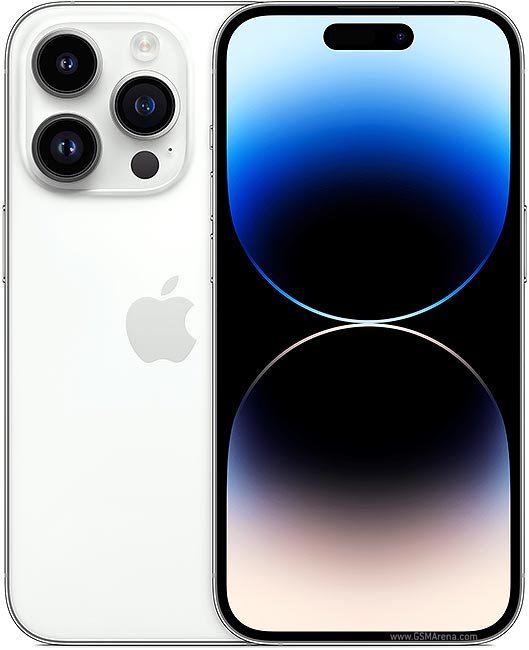
Apple iPhone 14 Pro ₹1,19,900 Ecosystem integration and premium display
Samsung Galaxy S22 ₹69,999 Compact flagship with solid all‑rounder specs
Google Pixel 6a ₹34,999 Budget‑friendly camera excellence

1. Samsung Galaxy S23 Ultra

  • Processor: Qualcomm Snapdragon 8 Gen 2 (4 nm)
  • RAM: 8 GB / 12 GB LPDDR5
  • Camera: 200 MP main + 12 MP ultra‑wide + 10 MP periscope telephoto (10× optical)
  • Battery: 5,000 mAh with 45 W fast charging
  • Display: 6.8‑inch QHD+ Dynamic AMOLED 2X, 120 Hz, HDR10+

The S23 Ultra remains the benchmark for Android flagships, delivering unrivalled raw power and a camera system that can capture minute details—perfect for AR content creation and consumption. Its large, high‑refresh‑rate display reproduces virtual objects with vivid colour accuracy, while the Snapdragon 8 Gen 2 ensures smooth frame rates in demanding AR apps.

Who should buy it: Power users, mobile photographers, and developers who need a premium device capable of handling intensive AR workloads without compromise.

2. Google Pixel 7 Pro

  • Processor: Google Tensor G2 (5 nm)
  • RAM: 12 GB LPDDR5
  • Camera: 50 MP main + 48 MP ultra‑wide + 48 MP telephoto (5× optical)
  • Battery: 5,124 mAh with 30 W fast charging
  • Display: 6.7‑inch LTPO OLED, QHD+, 120 Hz, HDR10+

Pixel 7 Pro shines with Google’s computational photography and a clean Android experience that receives updates directly from the source. The Tensor G2 chip is optimised for AI‑driven tasks, giving AR apps a boost in real‑time object detection and scene understanding.

Who should buy it: Users who value timely software updates, a pure Android UI, and AI‑enhanced AR capabilities.

3. OnePlus 11 Pro

  • Processor: Qualcomm Snapdragon 8 Gen 2
  • RAM: 8 GB / 12 GB LPDDR5X
  • Camera: 50 MP main + 48 MP ultra‑wide + 32 MP telephoto (3.3× optical)
  • Battery: 5,000 mAh with 80 W SuperVOOC fast charging
  • Display: 6.7‑inch Fluid AMOLED, QHD+, 120 Hz, HDR10+

OnePlus 11 Pro offers flagship performance at a relatively lower price point, thanks to its efficient cooling system and ultra‑fast charging. The 120 Hz Fluid AMOLED panel provides a buttery‑smooth visual experience, which is essential for fluid AR interactions.

Who should buy it: Enthusiasts who want flagship specs, rapid charging, and a clean OxygenOS experience without paying a premium price.

4. Apple iPhone 14 Pro

  • Processor: Apple A16 Bionic (4 nm)
  • RAM: 6 GB LPDDR5
  • Camera: 48 MP main + 12 MP ultra‑wide + 12 MP telephoto (3× optical)
  • Battery: 4,322 mAh with 20 W fast charging
  • Display: 6.1‑inch Super Retina XDR, ProMotion 120 Hz, Always‑On

Apple’s ecosystem continues to lead in AR thanks to the powerful A16 Bionic and the dedicated Neural Engine, which accelerates ARKit workloads. The ProMotion display with adaptive refresh rates ensures that virtual objects appear crisp and responsive, while the LiDAR scanner (available on Pro models) improves depth perception for more realistic AR experiences.

Who should buy it: Users already invested in the Apple ecosystem, developers building ARKit apps, and anyone who wants a premium, reliable AR platform.

5. Samsung Galaxy S22

  • Processor: Qualcomm Snapdragon 8 Gen 1 (4 nm)
  • RAM: 8 GB LPDDR5
  • Camera: 50 MP main + 12 MP ultra‑wide + 10 MP telephoto (3× optical)
  • Battery: 3,700 mAh with 25 W fast charging
  • Display: 6.1‑inch Dynamic AMOLED 2X, FHD+, 120 Hz, HDR10+

The S22 packs flagship performance into a more compact form factor, making it comfortable for prolonged AR sessions. Its Dynamic AMOLED display delivers true‑to‑life colours, and the Snapdragon 8 Gen 1 provides ample headroom for AR rendering.

Who should buy it: Users who prefer a smaller, pocket‑friendly flagship without sacrificing performance or camera quality.

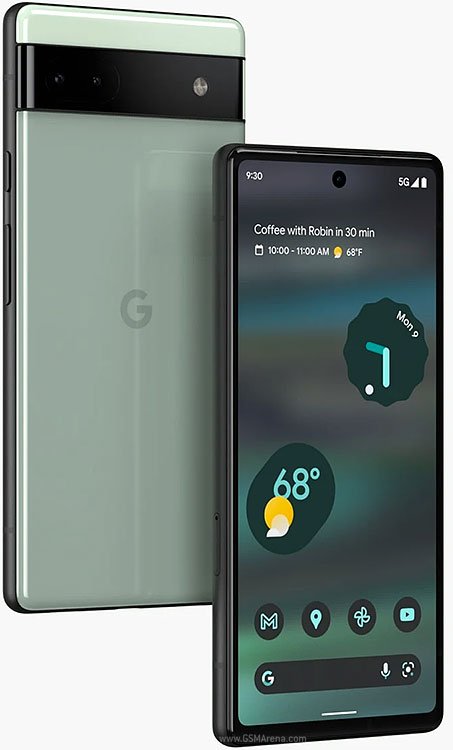
6. Google Pixel 6a

  • Processor: Google Tensor (5 nm)
  • RAM: 6 GB LPDDR5
  • Camera: 12.2 MP main + 12 MP ultra‑wide
  • Battery: 4,410 mAh with 18 W fast charging
  • Display: 6.1‑inch OLED, FHD+, 60 Hz, HDR

Pixel 6a brings Google’s AI‑first approach to a budget segment. While its refresh rate is modest, the Tensor chip still offers decent on‑device AI processing, which can enhance AR filters and real‑time translation features.

Who should buy it: Budget‑conscious shoppers who still want reliable camera performance and the latest Android updates for casual AR use.

Buying Guide — What to Look For

When selecting a smartphone that will serve you well after Samsung’s AR apps disappear, keep these key factors in mind:

  • Processor & GPU: A modern, high‑performance chipset (Snapdragon 8 Gen 2, Tensor G2, or Apple A16) ensures smooth frame rates and low latency in AR applications.
  • RAM: At least 8 GB of LPDDR5 RAM is advisable for multitasking and handling large AR assets without stutter.
  • Camera System: High‑resolution sensors combined with optical image stabilization (OIS) and, where possible, a LiDAR or depth sensor improve real‑world mapping and object placement.
  • Battery Capacity & Charging: AR sessions can be power‑hungry; aim for 4,500 mAh or higher and fast‑charging support (30 W+).
  • Display Quality: Look for AMOLED or OLED panels with at least Full HD+ resolution and a 90 Hz or higher refresh rate for fluid visualisation of virtual objects.
  • Software Support: Regular OS updates and a robust AR framework (ARCore for Android, ARKit for iOS) are essential for long‑term usability.

Final Verdict — Our Top Pick and Why

After weighing performance, camera versatility, display excellence, and future‑proof software support, the Samsung Galaxy S23 Ultra emerges as the clear winner. Its Snapdragon 8 Gen 2 processor, massive 200 MP sensor array, and 6.8‑inch QHD+ 120 Hz Dynamic AMOLED display provide the ideal foundation for any AR experience—whether you’re developing immersive apps, consuming AR games, or using productivity‑focused AR tools. Although Samsung is pulling its own AR apps, the hardware remains fully capable of running Google’s ARCore and third‑party solutions, ensuring you won’t miss a beat.

Where to Buy

All phones listed above are available on Amazon India with fast delivery and easy returns:

🛒 Browse all deals on Amazon India →

As an Amazon Associate we earn from qualifying purchases.

Samsung Discontinuing Ar Apps

Samsung has announced that it will discontinue its native AR (Augmented Reality) apps, leaving many users wondering which devices can still deliver immersive experiences without relying on Samsung‑specific software. To help you navigate this shift, we’ve compiled a curated list of the best smartphones that excel in performance, camera quality, and display brilliance—key ingredients for any AR‑ready workflow.

Phone Price (INR) Best For
Samsung Galaxy S23 Ultra ₹89,999 Flagship power and versatile camera
Google Pixel 7 Pro ₹84,999 Pure Android and computational photography
OnePlus 11 Pro ₹64,999 Fast charging and smooth performance
Apple iPhone 14 Pro ₹1,19,900 Ecosystem integration and premium display
Samsung Galaxy S22 ₹69,999 Compact flagship with solid all‑rounder specs
Google Pixel 6a ₹34,999 Budget‑friendly camera excellence

1. Samsung Galaxy S23 Ultra

  • Processor: Qualcomm Snapdragon 8 Gen 2 (4 nm)
  • RAM: 8 GB / 12 GB LPDDR5
  • Camera: 200 MP main + 12 MP ultra‑wide + 10 MP periscope telephoto (10× optical)
  • Battery: 5,000 mAh with 45 W fast charging
  • Display: 6.8‑inch QHD+ Dynamic AMOLED 2X, 120 Hz, HDR10+

The S23 Ultra remains the benchmark for Android flagships, delivering unrivalled raw power and a camera system that can capture minute details—perfect for AR content creation and consumption. Its large, high‑refresh‑rate display reproduces virtual objects with vivid colour accuracy, while the Snapdragon 8 Gen 2 ensures smooth frame rates in demanding AR apps.

Who should buy it: Power users, mobile photographers, and developers who need a premium device capable of handling intensive AR workloads without compromise.

2. Google Pixel 7 Pro
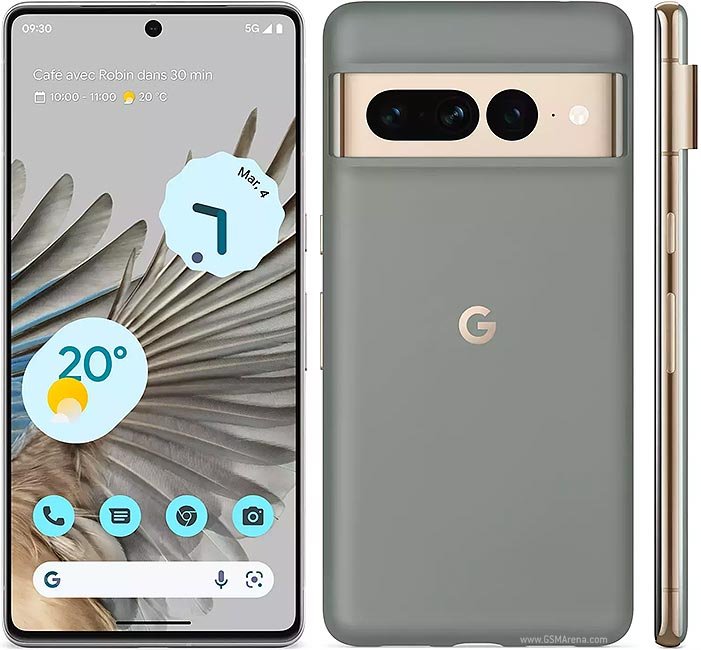
  • Processor: Google Tensor G2 (5 nm)
  • RAM: 12 GB LPDDR5
  • Camera: 50 MP main + 48 MP ultra‑wide + 48 MP telephoto (5× optical)
  • Battery: 5,124 mAh with 30 W fast charging
  • Display: 6.7‑inch LTPO OLED, QHD+, 120 Hz, HDR10+

Pixel 7 Pro shines with Google’s computational photography and a clean Android experience that receives updates directly from the source. The Tensor G2 chip is optimised for AI‑driven tasks, giving AR apps a boost in real‑time object detection and scene understanding.

Who should buy it: Users who value timely software updates, a pure Android UI, and AI‑enhanced AR capabilities.

3. OnePlus 11 Pro

  • Processor: Qualcomm Snapdragon 8 Gen 2
  • RAM: 8 GB / 12 GB LPDDR5X
  • Camera: 50 MP main + 48 MP ultra‑wide + 32 MP telephoto (3.3× optical)
  • Battery: 5,000 mAh with 80 W SuperVOOC fast charging
  • Display: 6.7‑inch Fluid AMOLED, QHD+, 120 Hz, HDR10+

OnePlus 11 Pro offers flagship performance at a relatively lower price point, thanks to its efficient cooling system and ultra‑fast charging. The 120 Hz Fluid AMOLED panel provides a buttery‑smooth visual experience, which is essential for fluid AR interactions.

Who should buy it: Enthusiasts who want flagship specs, rapid charging, and a clean OxygenOS experience without paying a premium price.

4. Apple iPhone 14 Pro

  • Processor: Apple A16 Bionic (4 nm)
  • RAM: 6 GB LPDDR5
  • Camera: 48 MP main + 12 MP ultra‑wide + 12 MP telephoto (3× optical)
  • Battery: 4,322 mAh with 20 W fast charging
  • Display: 6.1‑inch Super Retina XDR, ProMotion 120 Hz, Always‑On

Apple’s ecosystem continues to lead in AR thanks to the powerful A16 Bionic and the dedicated Neural Engine, which accelerates ARKit workloads. The ProMotion display with adaptive refresh rates ensures that virtual objects appear crisp and responsive, while the LiDAR scanner (available on Pro models) improves depth perception for more realistic AR experiences.

Who should buy it: Users already invested in the Apple ecosystem, developers building ARKit apps, and anyone who wants a premium, reliable AR platform.

5. Samsung Galaxy S22

  • Processor: Qualcomm Snapdragon 8 Gen 1 (4 nm)
  • RAM: 8 GB LPDDR5
  • Camera: 50 MP main + 12 MP ultra‑wide + 10 MP telephoto (3× optical)
  • Battery: 3,700 mAh with 25 W fast charging
  • Display: 6.1‑inch Dynamic AMOLED 2X, FHD+, 120 Hz, HDR10+

The S22 packs flagship performance into a more compact form factor, making it comfortable for prolonged AR sessions. Its Dynamic AMOLED display delivers true‑to‑life colours, and the Snapdragon 8 Gen 1 provides ample headroom for AR rendering.

Who should buy it: Users who prefer a smaller, pocket‑friendly flagship without sacrificing performance or camera quality.

6. Google Pixel 6a

  • Processor: Google Tensor (5 nm)
  • RAM: 6 GB LPDDR5
  • Camera: 12.2 MP main + 12 MP ultra‑wide
  • Battery: 4,410 mAh with 18 W fast charging
  • Display: 6.1‑inch OLED, FHD+, 60 Hz, HDR

Pixel 6a brings Google’s AI‑first approach to a budget segment. While its refresh rate is modest, the Tensor chip still offers decent on‑device AI processing, which can enhance AR filters and real‑time translation features.

Who should buy it: Budget‑conscious shoppers who still want reliable camera performance and the latest Android updates for casual AR use.

Buying Guide — What to Look For

When selecting a smartphone that will serve you well after Samsung’s AR apps disappear, keep these key factors in mind:

  • Processor & GPU: A modern, high‑performance chipset (Snapdragon 8 Gen 2, Tensor G2, or Apple A16) ensures smooth frame rates and low latency in AR applications.
  • RAM: At least 8 GB of LPDDR5 RAM is advisable for multitasking and handling large AR assets without stutter.
  • Camera System: High‑resolution sensors combined with optical image stabilization (OIS) and, where possible, a LiDAR or depth sensor improve real‑world mapping and object placement.
  • Battery Capacity & Charging: AR sessions can be power‑hungry; aim for 4,500 mAh or higher and fast‑charging support (30 W+).
  • Display Quality: Look for AMOLED or OLED panels with at least Full HD+ resolution and a 90 Hz or higher refresh rate for fluid visualisation of virtual objects.
  • Software Support: Regular OS updates and a robust AR framework (ARCore for Android, ARKit for iOS) are essential for long‑term usability.

Final Verdict — Our Top Pick and Why

After weighing performance, camera versatility, display excellence, and future‑proof software support, the Samsung Galaxy S23 Ultra emerges as the clear winner. Its Snapdragon 8 Gen 2 processor, massive 200 MP sensor array, and 6.8‑inch QHD+ 120 Hz Dynamic AMOLED display provide the ideal foundation for any AR experience—whether you’re developing immersive apps, consuming AR games, or using productivity‑focused AR tools. Although Samsung is pulling its own AR apps, the hardware remains fully capable of running Google’s ARCore and third‑party solutions, ensuring you won’t miss a beat.

Where to Buy

All phones listed above are available on Amazon India with fast delivery and easy returns:

🛒 Browse all deals on Amazon India →

As an Amazon Associate we earn from qualifying purchases.

Leave a Comment

Your email address will not be published. Required fields are marked *

Join our exclusive club!

Exit mobile version