Introduction
The recent Vinted outage, which left thousands of users unable to access their accounts, has reminded us how critical a reliable smartphone is for staying connected, managing finances, and handling online marketplaces. Whether you’re a power‑seller, a casual buyer, or simply need a device that won’t drop calls during a crisis, choosing the right phone can make all the difference.
Quick Summary Table
| Phone | Price (INR) | Best For |
|---|---|---|
| Apple iPhone 14 Pro | 79,900 | Flagship performance, premium camera, iOS ecosystem |
| Samsung Galaxy S23 Ultra | 89,999 | Large 120 Hz display, S‑Pen productivity, versatile camera |
| Google Pixel 7 Pro | 64,999 | Pure Android experience, AI‑driven photography, timely updates |
| OnePlus 11 Pro | 54,999 | Fast charging, smooth OxygenOS, high‑end specs at a lower price |
| Xiaomi Redmi Note 12 Pro | 24,999 | Budget‑friendly, solid battery life, decent multimedia performance |
| Realme GT 2 Pro | 39,999 | Premium display, strong performance, competitive pricing |
1. Apple iPhone 14 Pro

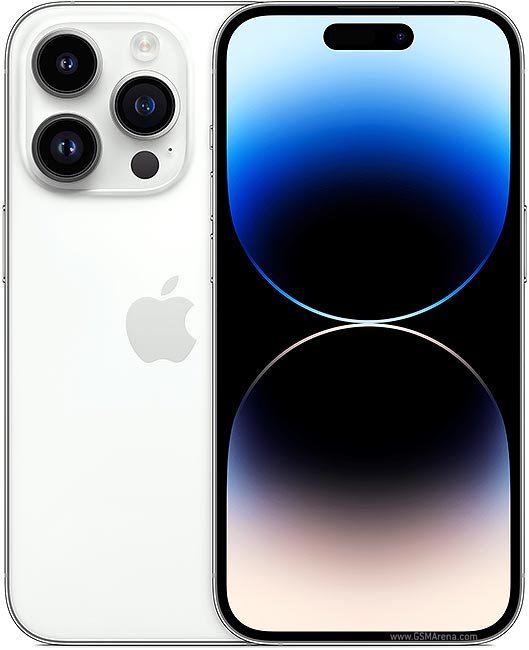
- Processor: Apple A16 Bionic (5‑nm)
- RAM: 6 GB
- Camera: Triple‑lens system – 48 MP main (f/1.78), 12 MP ultra‑wide, 12 MP telephoto; 12 MP front
- Battery: 4,082 mAh (up to 23 hours video playback)
- Display: 6.1‑inch Super Retina XDR OLED, 2556 × 1179 px, 120 Hz ProMotion
The iPhone 14 Pro delivers industry‑leading performance thanks to the A16 Bionic chip, which handles intensive multitasking, high‑resolution video editing, and gaming with virtually no lag. Its new 48 MP sensor, combined with Apple’s computational photography, produces crisp, true‑to‑life images even in low‑light conditions—an advantage when you need to snap product photos for resale platforms like Vinted.
Beyond raw power, the device benefits from a seamless integration with Apple’s ecosystem: iMessage, FaceTime, and iCloud keep your data synchronized across all Apple devices, ensuring you never lose access to important conversations or transaction records during an outage.
Who should buy it: Users already invested in the Apple ecosystem, professionals who need a dependable camera for content creation, and anyone who values long‑term software support and premium build quality.
2. Samsung Galaxy S23 Ultra
- Processor: Qualcomm Snapdragon 8 Gen 2 (4 nm)
- RAM: 8 GB or 12 GB LPDDR5
- Camera: Quad‑lens – 200 MP main (f/1.7), 12 MP ultra‑wide, 10 MP periscope telephoto (10× optical), 10 MP telephoto (3×); 40 MP front
- Battery: 5,000 mAh (up to 25 hours video playback)
- Display: 6.8‑inch Dynamic AMOLED 2X, 3088 × 1440 px, 120 Hz adaptive refresh
The Galaxy S23 Ultra is a powerhouse built for users who demand a large, vibrant screen and a versatile camera system. The 200 MP sensor captures extraordinary detail, making it ideal for photographing clothing items, accessories, or receipts that need to be shared with buyers or support teams during a service disruption.
Its integrated S‑Pen adds a layer of productivity—useful for quickly annotating screenshots, signing digital documents, or jotting down notes while troubleshooting an outage. The device also supports Samsung DeX, turning your phone into a desktop‑like environment, which can be a lifesaver when you need to manage multiple tabs or spreadsheets on the go.
Who should buy it: Android enthusiasts who appreciate a massive, high‑refresh‑rate display, power users who need a stylus for note‑taking, and anyone looking for a camera that can double as a portable studio.
3. Google Pixel 7 Pro

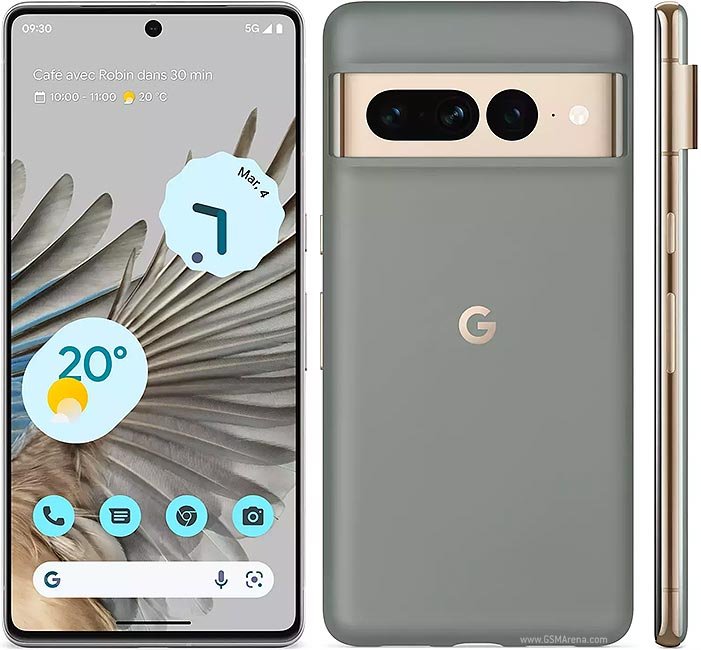
- Processor: Google Tensor G2 (4 nm)
- RAM: 12 GB LPDDR5
- Camera: Triple‑lens – 50 MP main (f/1.85), 48 MP ultra‑wide, 48 MP telephoto (5× optical); 10.8 MP front
- Battery: 5,124 mAh (up to 24 hours mixed usage)
- Display: 6.7‑inch LTPO OLED, 3120 × 1440 px, 120 Hz adaptive
Google’s Pixel line has become synonymous with clean Android and best‑in‑class photography. The Pixel 7 Pro’s Tensor G2 chip excels at on‑device AI tasks, such as real‑time translation, voice typing, and the famed Night Sight mode, which can rescue poorly lit images of items you need to list on Vinted.
Pixel phones receive Android updates directly from Google, guaranteeing at least three years of major OS upgrades and five years of security patches. In a scenario where a service outage forces you to rely on secure communication channels, timely security updates are a critical advantage.
Who should buy it: Users who prefer a pure Android experience, photographers who value computational photography, and anyone who wants fast, reliable software updates.
4. OnePlus 11 Pro
- Processor: Qualcomm Snapdragon 8 Gen 2 (4 nm)
- RAM: 8 GB or 12 GB LPDDR5X
- Camera: Triple‑lens – 50 MP main (f/1.8), 48 MP ultra‑wide, 32 MP telephoto (2×); 16 MP front
- Battery: 5,000 mAh (65 W wired fast charge, 50 W wireless)
- Display: 6.7‑inch Fluid AMOLED, 3216 × 1440 px, 120 Hz LTPO
The OnePlus 11 Pro strikes a balance between flagship performance and a price that feels more like a premium mid‑range offering. Its Snapdragon 8 Gen 2 chipset ensures smooth multitasking, while the 65 W wired charger can replenish the battery from 0 % to 100 % in under 30 minutes—perfect for users who need to get back online quickly after an outage.
OxygenOS, built on top of Android 13, provides a clean, fast, and highly customizable interface. The phone’s robust build, combined with a reliable triple‑camera system, makes it a solid choice for sellers who need to capture product details without investing in a separate camera.
Who should buy it: Budget‑conscious power users who still want flagship‑level speed, fast charging, and a near‑stock Android experience.
5. Xiaomi Redmi Note 12 Pro

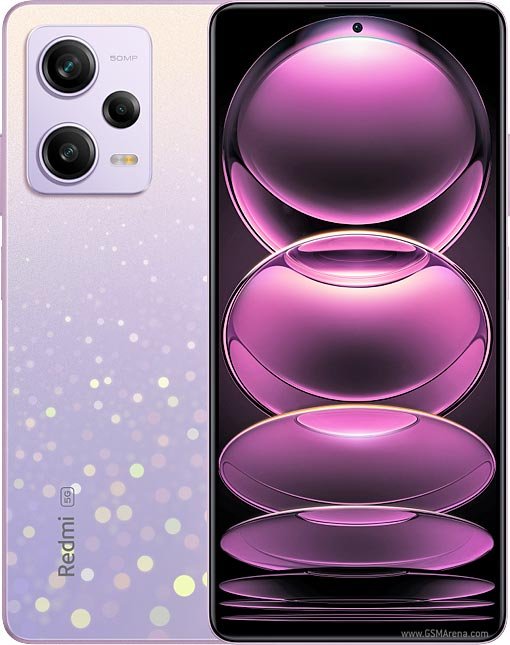
- Processor: Qualcomm Snapdragon 695 (6 nm)
- RAM: 6 GB or 8 GB LPDDR4X
- Camera: Triple‑lens – 50 MP main (f/1.8), 8 MP ultra‑wide, 2 MP macro; 13 MP front
- Battery: 5,000 mAh (67 W fast charge)
- Display: 6.67‑inch AMOLED, 2400 × 1080 px, 120 Hz
For users who need a capable phone without breaking the bank, the Redmi Note 12 Pro offers a compelling mix of performance and features. The Snapdragon 695 delivers smooth day‑to‑day operation, while the 50 MP sensor provides respectable image quality for listing items on resale platforms.
The 120 Hz AMOLED panel ensures fluid scrolling and an enjoyable media experience, and the 5,000 mAh battery, paired with 67 W fast charging, keeps you online for extended periods—an essential factor when you’re waiting for a service like Vinted to come back online.
Who should buy it: First‑time smartphone owners, students, or anyone looking for a reliable device that covers all basics without a premium price tag.
6. Realme GT 2 Pro

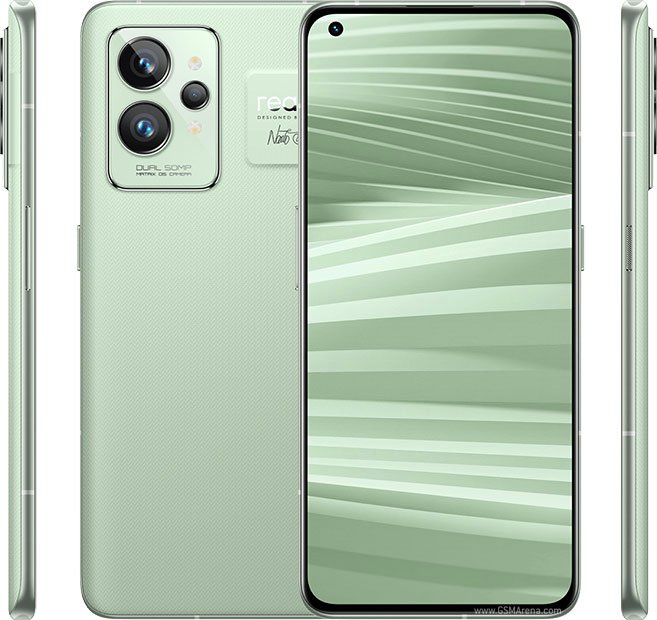
- Processor: Qualcomm Snapdragon 8 Gen 1 (4 nm)
- RAM: 8 GB or 12 GB LPDDR5
- Camera: Triple‑lens – 50 MP main (f/1.9), 50 MP ultra‑wide, 3 MP macro; 16 MP front
- Battery: 5,000 mAh (80 W wired fast charge, 50 W wireless)
- Display: 6.7‑inch LTPO AMOLED, 3216 × 1440 px, 120 Hz adaptive
The Realme GT 2 Pro packs a flagship‑class Snapdragon 8 Gen 1 processor at a price that undercuts many premium competitors. Its 120 Hz LTPO display offers excellent color accuracy and smoothness, making it ideal for browsing product listings, editing photos, or streaming tutorials on how to navigate a service outage.
Realme’s 80 W fast‑charging technology means you can get a full charge in roughly 30 minutes, reducing downtime when you need to stay connected. The dual‑pixel 50 MP main camera, combined with a 50 MP ultra‑wide sensor, provides flexibility for capturing both close‑up details and full‑body shots of clothing items.
Who should buy it: Users who want flagship performance and a high‑refresh‑rate display but are looking for a more affordable alternative to Samsung or Apple flagships.
Buying Guide
Choosing the right phone for everyday use—and for handling unexpected service disruptions—requires a balanced assessment of several key factors. Below are the most important criteria to consider before making a purchase.
Performance & Processor
A fast processor ensures that apps load quickly, multitasking remains smooth, and video calls or live streams don’t stutter. For Android, Snapdragon 8 Gen 2 or 8 Gen 1 are currently the top choices, while Apple’s A16 Bionic leads the iOS segment. If you frequently run heavy apps such as photo editors, inventory management tools, or video conferencing software, prioritize a flagship‑class chipset.
RAM & Storage
At least 8 GB of RAM is advisable for most power users; 12 GB becomes essential if you keep many apps open or run intensive background processes. Storage should be a minimum of 128 GB to accommodate high‑resolution photos, receipts, and app data. Look for UFS 3.1 or higher for faster read/write speeds.
Camera Quality
During an outage, you may need to share clear images of items, screenshots of error messages, or proof of purchase. A primary sensor of 48 MP or higher, combined with optical image stabilization (OIS) and a capable ultra‑wide lens, provides the flexibility to capture both detailed close‑ups and broader context shots.
Battery Life & Charging
Long battery life is non‑negotiable when you can’t rely on Wi‑Fi or power outlets for extended periods. Aim for a capacity of at least 4,500 mAh. Fast‑charging support (65 W or higher) is a huge advantage, allowing you to top up quickly and get back online.
Display
A bright, high‑resolution display reduces eye strain during long browsing sessions. AMOLED panels with a minimum of 1080 p resolution and a 90 Hz refresh rate are ideal. If you often edit photos or watch videos, a 120 Hz LTPO panel offers smoother motion and better color accuracy.
Software Support & Security
Regular security patches protect you from vulnerabilities that could be exploited during a service outage. Apple provides up to five years of iOS updates, while Google guarantees three years of Android OS upgrades and five years of security patches. Samsung and OnePlus also offer competitive update policies, but be sure to verify the manufacturer’s commitment before buying.
Additional Features
Consider extras such as an integrated stylus (S‑Pen), dual‑SIM support, water resistance (IP68), and wireless charging. These can enhance productivity and durability, especially if you rely on your phone for business transactions.
Final Verdict
After weighing performance, camera capability, battery endurance, and overall value, the Apple iPhone 14 Pro emerges as our top pick. Its A16 Bionic processor delivers unmatched speed, while the 48 MP sensor and advanced computational photography ensure every product photo looks professional. The seamless integration with iCloud, iMessage, and FaceTime guarantees that even during a platform‑wide outage, you retain a reliable channel for communication and data backup.
That said, the best phone for you ultimately depends on your preferred ecosystem, budget, and specific feature priorities. The Samsung Galaxy S23 Ultra offers the most versatile camera system, the Google Pixel 7 Pro provides the cleanest Android experience, and the OnePlus 11 Pro delivers flagship performance at a more approachable price. Evaluate the criteria in our buying guide, match them to your daily workflow, and you’ll be equipped to stay productive—no matter what outages may arise.
Where to Buy
All phones listed above are available on Amazon India with fast delivery and easy returns:
🛒 Browse all deals on Amazon India →
As an Amazon Associate we earn from qualifying purchases.